


In 2025, it’s apparent that Xiaomi has broken away from its usual position as a “price-performers” brand and has carved out a reputation as a multi-layered “global technology leadership brand”. The company’s smartphones have a specific “best of” approach in terms of their usage and have committed to a “segmentation,” “convergence,” and “leadership” approach in the technology space.
Redmi 15C 5G: Redefining Budget Smartphones in 2025
Redmi 15C remains the most available smartphone from Xiaomi in the year 2025, but it also shows how the budget segment has matured as a whole. Xiaomi now considers budget smartphones not as disposable tech but as long-term ecosystem entrants.
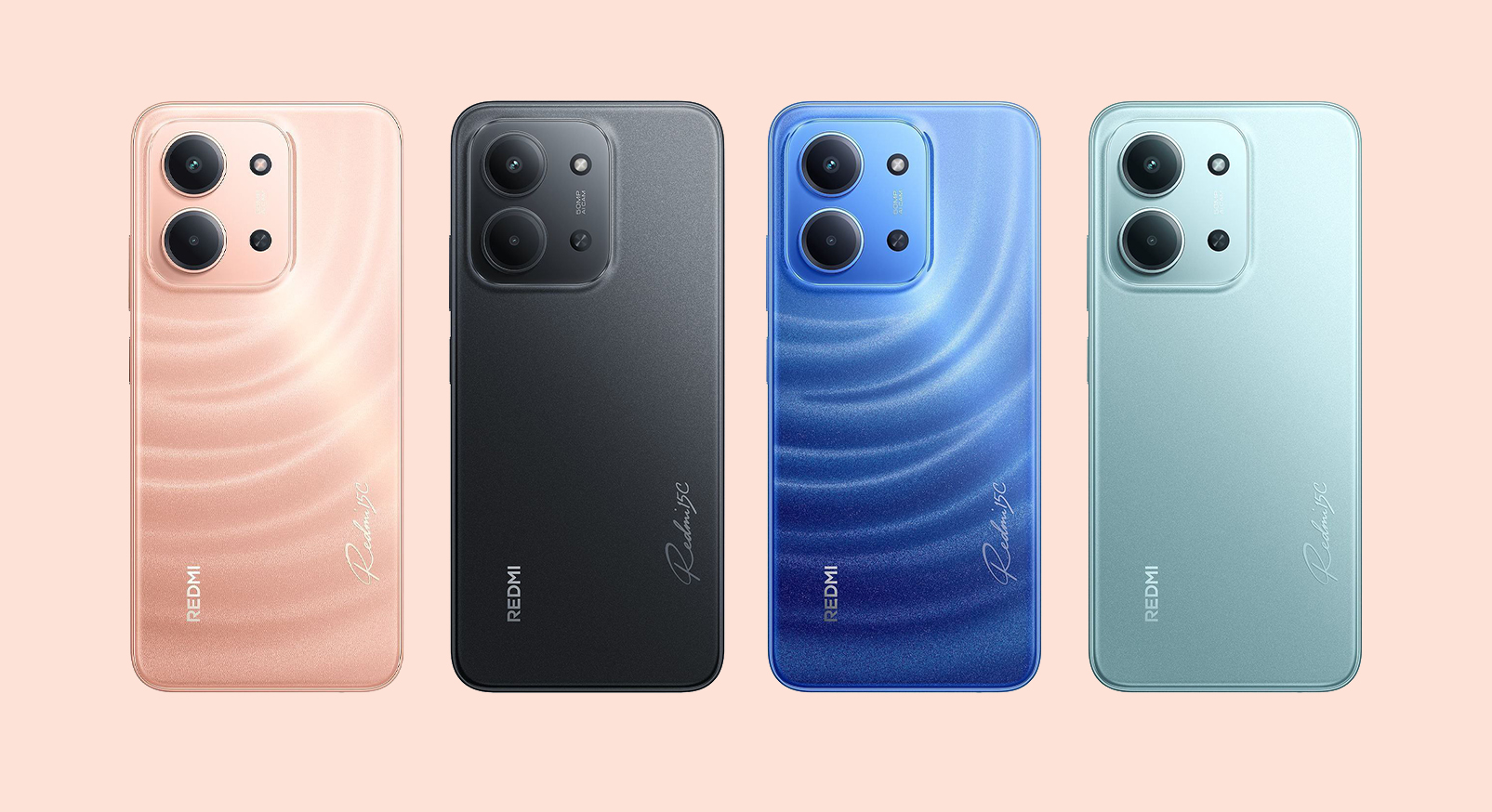

The brain of the Redmi 15C is powered by MediaTek’s Dimensity 6300 5G chipset, manufactured on the 6nm process, ensuring optimal efficiency. As a result, the processor is able to deliver optimal HyperOS performance despite its low power consumption. The smartphone comes along with a large 6.9-inch IPS LCD display and a refresh rate of 120Hz, a first in the lower-end segment.
Battery life is, of course, the defining aspect. As it comes with a 6,000 mAh battery, fast charging of 33W, the Redmi 15C is more focused on reliability than anything else. It is, in many ways, designed to suit first-time users, those who use it in an organizational setup, and even school-going kids. In Xiaomi’s lineup of offerings in 2025, it is basically a reflection of a superior foundation sinking into the budget category.
Xiaomi 15 Ultra: The New Standard for Mobile Camera Photography
In relation to technology, Xiaomi’s boldest move for 2025 comes through its offering in the form of the ‘Xiaomi 15 Ultra.’ The device is clearly a flagship for imaging capabilities by Xiaomi, and unlike other brands that rely on software improvements for their enhanced imaging capabilities, Xiaomi has opted for optical innovation.
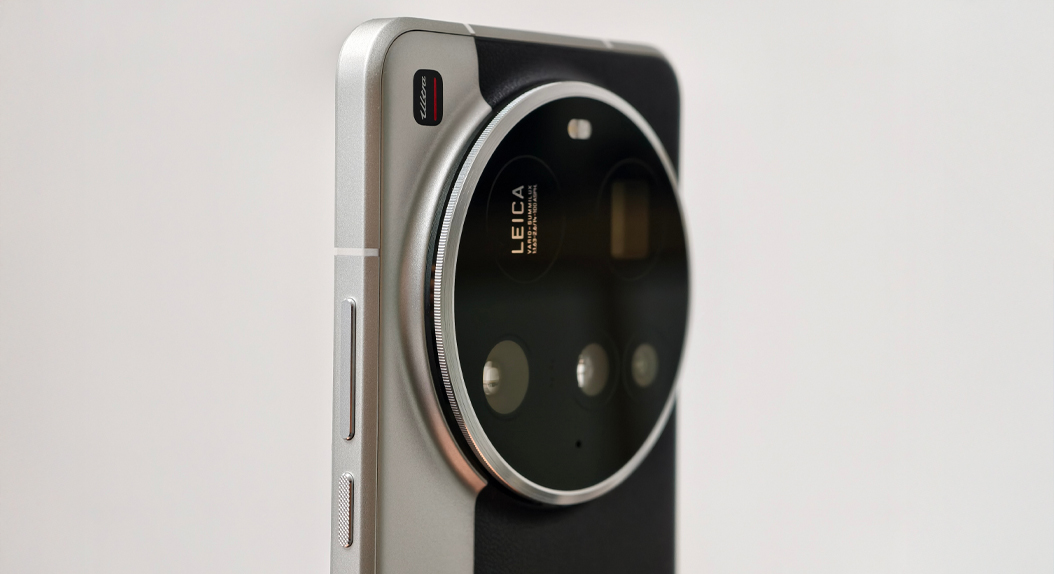
It comes with a 1-inch 50MP main camera and a variable aperture system to enable natural depth control and better low-light shooting. It further includes a 200MP periscope telephoto camera tailored for high-fidelity long-range shooting with negligible loss of detail. The partnership with Leica holds significance here and goes beyond color science to calibration and optics.
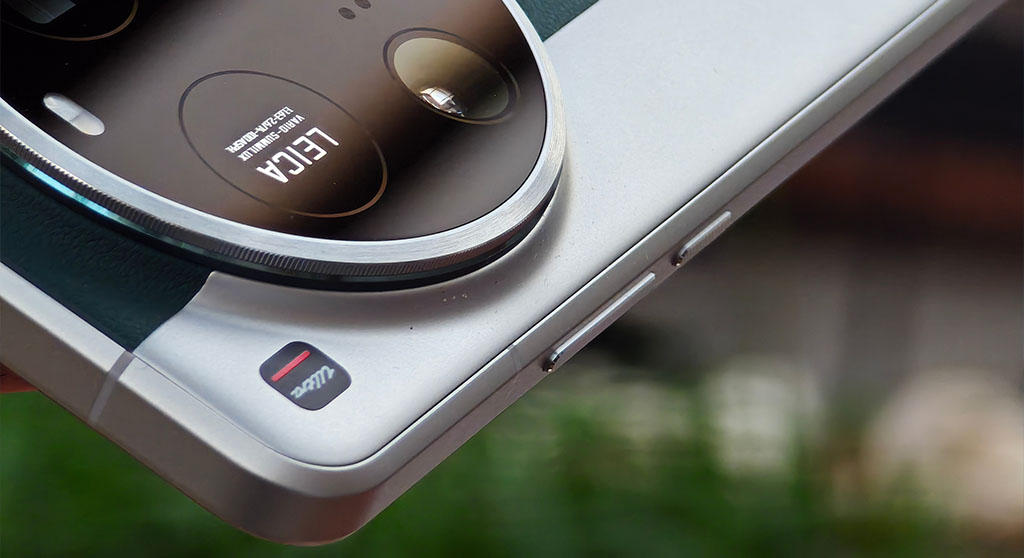
The Xiaomi 15 Ultra uses the Snapdragon 8 Elite chip to deliver flagship performance for computational photography. The device has an 8K recording option and other flagship camera features with its HyperOS. The product falls in the flagship category. However, there is a greater purpose for this product beyond its sales. The product serves as a technology benchmark for elevating the imaging story for the brand.
POCO X7 Pro — The New Definition of Value for Performance
In terms of users who want the best possible features with their expenses regulated, the POCO X7 Pro comes out as the most balanced device from Xiaomi in 2025. This device showcases Xiaomi’s improvement with respect to performance optimization within budgets.
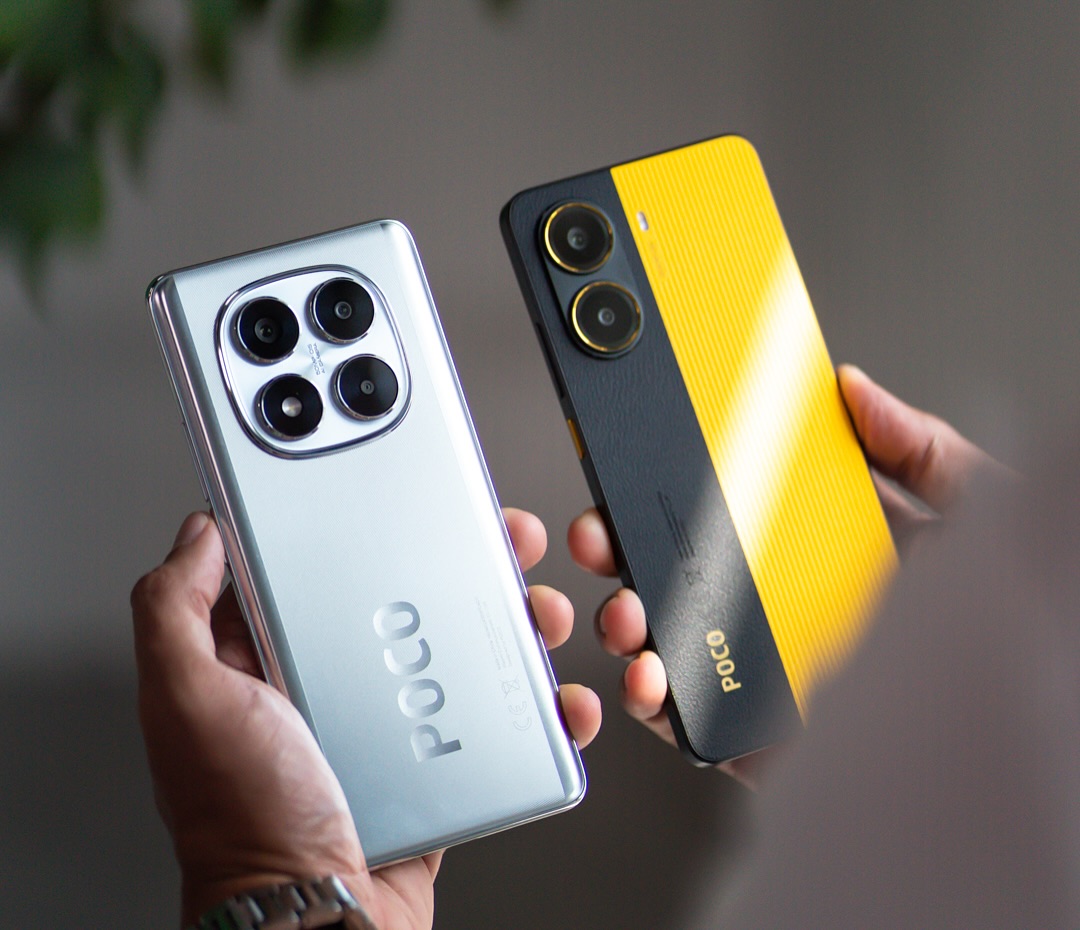
It comes with a MediaTek Dimensity 8400 Ultra chipset that provides near-flagship CPU performance. This further qualifies the POCO X7 Pro for applications involving intense gaming. It also sports a 1.5K AMOLED screen with a 120Hz refresh rate. This element further adds a lot to the POCO X7 Pro because it provides clear imagery that consumes less battery.
Durability is another strategic strength. With IP68 water and dust resistance, the POCO X7 Pro brings flaghip protection to an entry where it has never fit before. Despite the compromised camera performance, this is in line with the brand’s performance-oriented positioning. As of 2025, the POCO X7 Pro is the sincerest effort by Xiaomi to cater to those customers seeking long-term value at a non-premium pricing position.
Xiaomi 17 Pro Max: Innovation as a Strategic Statement
The Xiaomi 17 Pro Max is, without a doubt, the most experimental and visionary product of this brand within the current year. Even the naming convention shows the brand’s intention, directly associating with the global top league of flagships.
The hallmark of this technology is the secondary display at the back of the handset that is AMOLED and is meant for providing functionality and not just for showing off the technological capabilities that the display supports. This technology has the ability to enable high-quality self-portraits using the rear-facing primary camera system and is innovations that redefine content creation on the smartphone technology platforms.
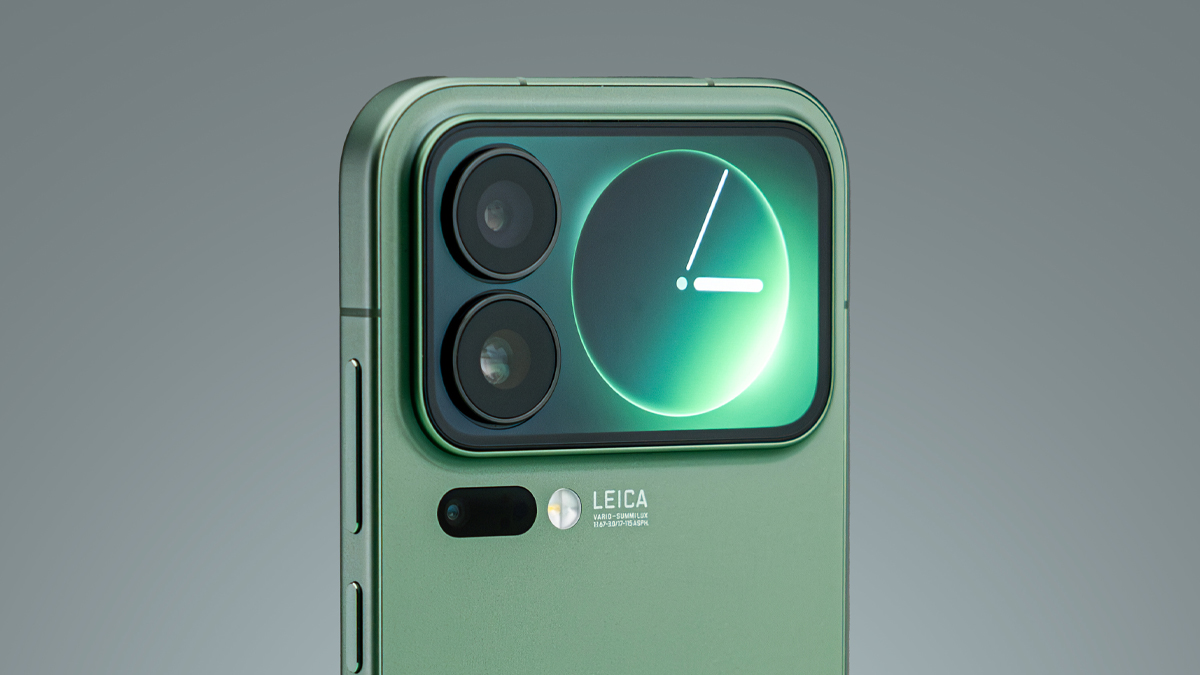
Technologically, the presence of the Qualcomm Snapdragon 8 Elite processing platform coupled with the large-capacity battery measuring 7,500 mAh with a silicon-carbon battery complements Xiaomi’s dedication to sustained performance and battery life. The Xiaomi 17 Pro Max, therefore, is not a smartphone for the mass-market consumer but a showpiece for Xiaomi’s technological prowess to disrupt traditional designs.
POCO F8 Ultra: Establishing A New Standard For Smartphone Sound Quality
Mobile audio is commonly constrained by physical limitations. However, the POCO F8 Ultra breaks the mold through effective engineering. The device is regarded as the audio-capable smartphone of 2025 because it emphasizes audio innovations on the hardware level.
The product comes along with a 2.1-channel speaker system and a dedicated low-frequency speaker. This makes it possible to achieve a much deeper bass along with a better separation of music compared to the regular stereo speakers in smartphones. The device combines the power of the Snapdragon 8 Elite SoC and a high-capacity battery in the POCO F8 Ultra.
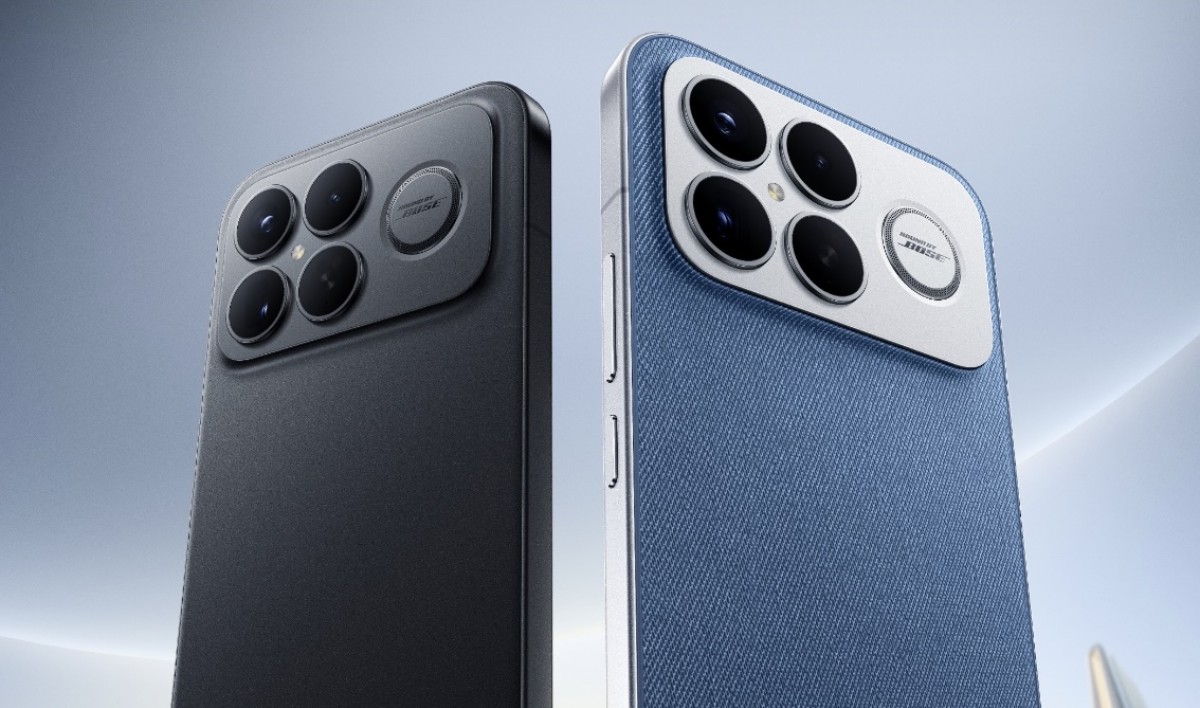
As opposed to its previous POCO series, the F8 Ultra does not target the cutting-edge smartphone segment on the basis of its affordable price tags. It, in fact, carves out a special segment for itself where its users, above all, give importance to the audio features, thus supporting Xiaomi’s specialization strategy.
What to Learn from Xiaomi’s 2025 “Best Of” Product Line
Xiaomi’s 2025 smartphone lineup indicates a mature and thoughtful segmentation strategy. The company does not adopt a strategy of banking on a flagship product alone. Rather, innovation is spread across a series of brands and product categories. Xiaomi has now made high-capacity batteries, high refresh rate displays, and connectivity a norm. In 2025, Xiaomi is no longer just a contender on feature specifications alone. Instead, it is developing a distinct vision for every major user segment, starting with budget-conscious consumers and moving on to electronics enthusiasts interested in maximum mobile capability.



