 Emir Bardakçı
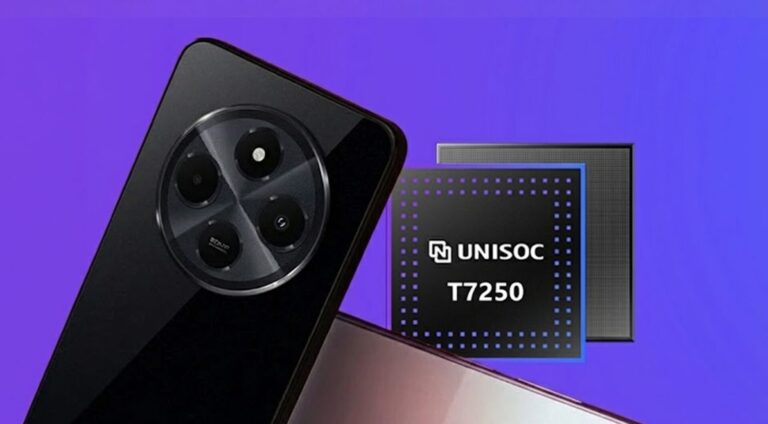
Almost making history in the semiconductor community with their phenomenal research paper that got selected for the esteemed IEDM 2025 conference, Xiaomi boss Lei Jun finally announces that their research team, namely the RF team for the Xiaomi mobile phone, managed to develop a new technology called Gallium Nitride (GaN) for mobile phones. This breakthrough significantly tackles the pertinent power consumption problem for the era of the 6G network and is a substantial improvement for the hardware of future Xiaomi phones.

Solving the Power Problem
With the advent of the next-generation mobile technology, 6G from 5G, the power consumption of data speeds is straining the existing technology to the point of collapse. The existing Gallium Arsenide (GaAs) amplifier that has been utilized for the past four decades is nearing its peak in terms of heat and energy efficiency. Although Gallium Nitride (GaN) is a better material than their predecessor, their voltage always had to be high (28V/48V), which is not feasible in a smartphone.
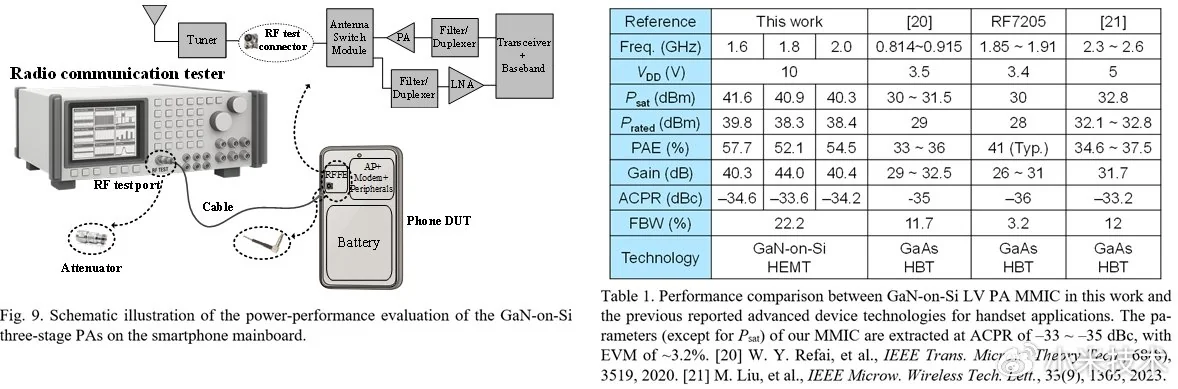
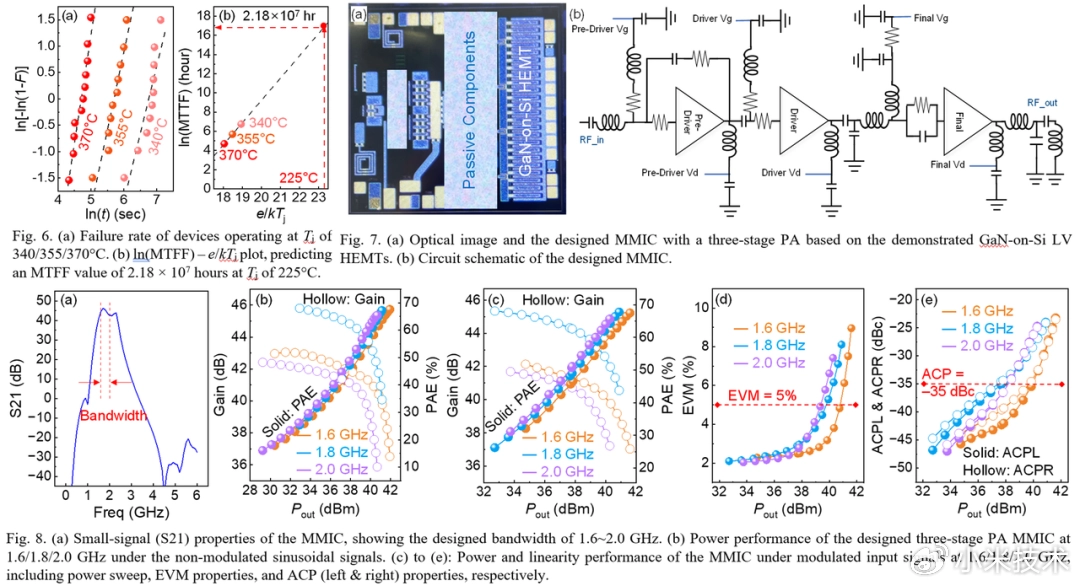
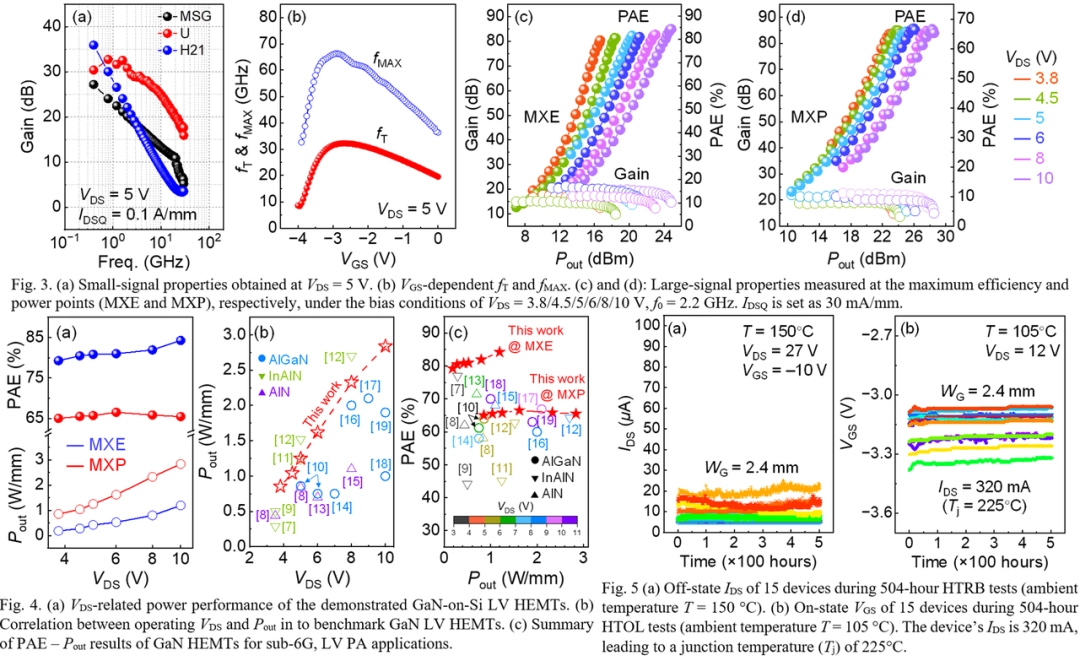
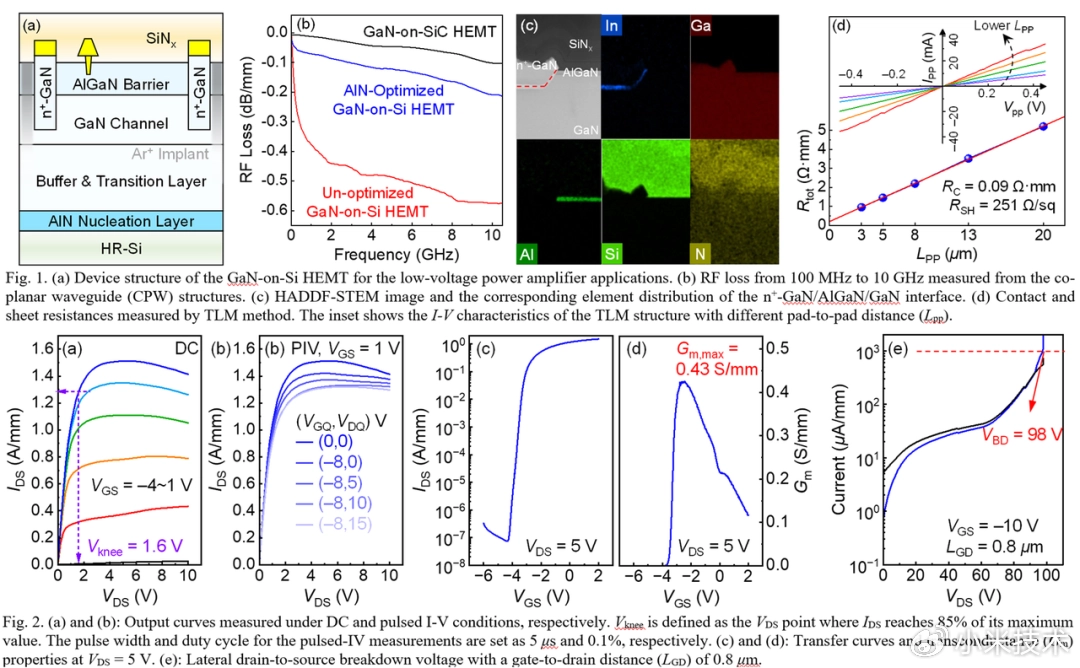
Xiaomi’s research team is one that has managed to break this barrier. They were able to develop a low voltage solution of silicon-based GaN, which works effectively in the power conditions of a mobile phone. This development helps fill the gap between materials that are high performance and those that are consumer grade.
Record-Breaking Performance
The selected paper describes a High Mobility Transistor (GaN HEMT) that provides outstanding performance. This innovative technology allows for a power-added efficiency of more than 80% at a low operating voltage of only 10V. This is a huge improvement over previous technology, with more power density but without the heating problem of previous materials.
Thus, through semiconductor optimization and minimizing the losses of the radio frequency, Xiaomi has demonstrated that GaN is feasible for incorporation into the RF front end of mobile phones. Not only does this work validate the technology in the academic circle, but it also opens the door to mass production, ensuring that phones become faster and cooler in the very near future.