 Emir Bardakçı
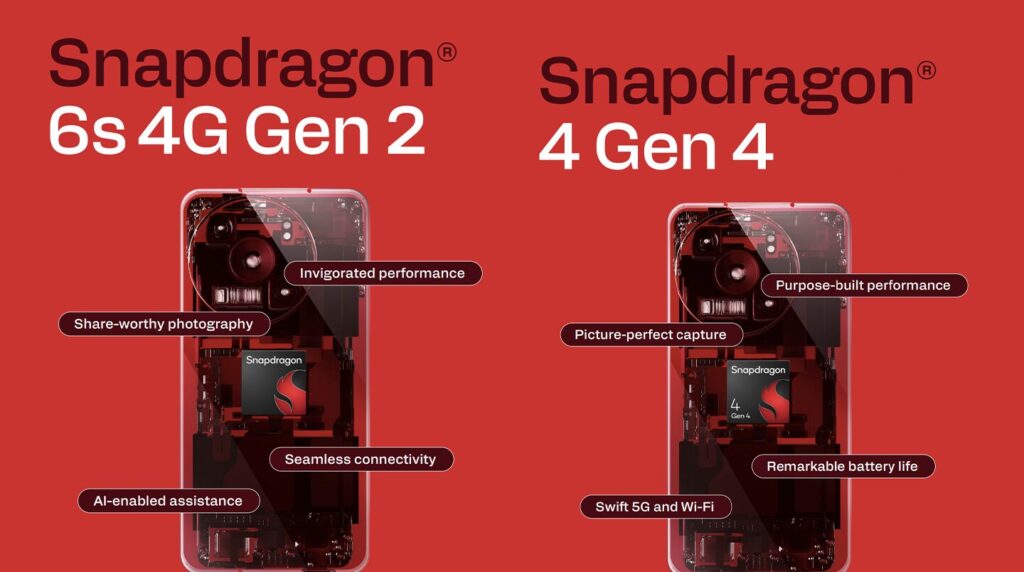
The newly announced Snapdragon 4 Gen 4 brings 5G capability and improved power efficiency to budget-friendly smartphones, positioning it as one of Qualcomm’s most balanced entry-level platforms. While the architecture resembles the Snapdragon 685, the updated modem, faster charging support and enhanced image processing make it more suitable for modern affordable devices. Readers who follow our Snapdragon 8 Elite coverage or explore our HyperOS insights can see how Qualcomm continues optimizing the low-end segment with a scientific, efficient approach.
Snapdragon 4 Gen 4 Highlights
Snapdragon 4 Gen 4 is designed specifically for manufacturers targeting low-cost 5G phones. The platform focuses on efficiency, balanced performance and improved daily usability rather than peak benchmark scores.
General Performance Improvements
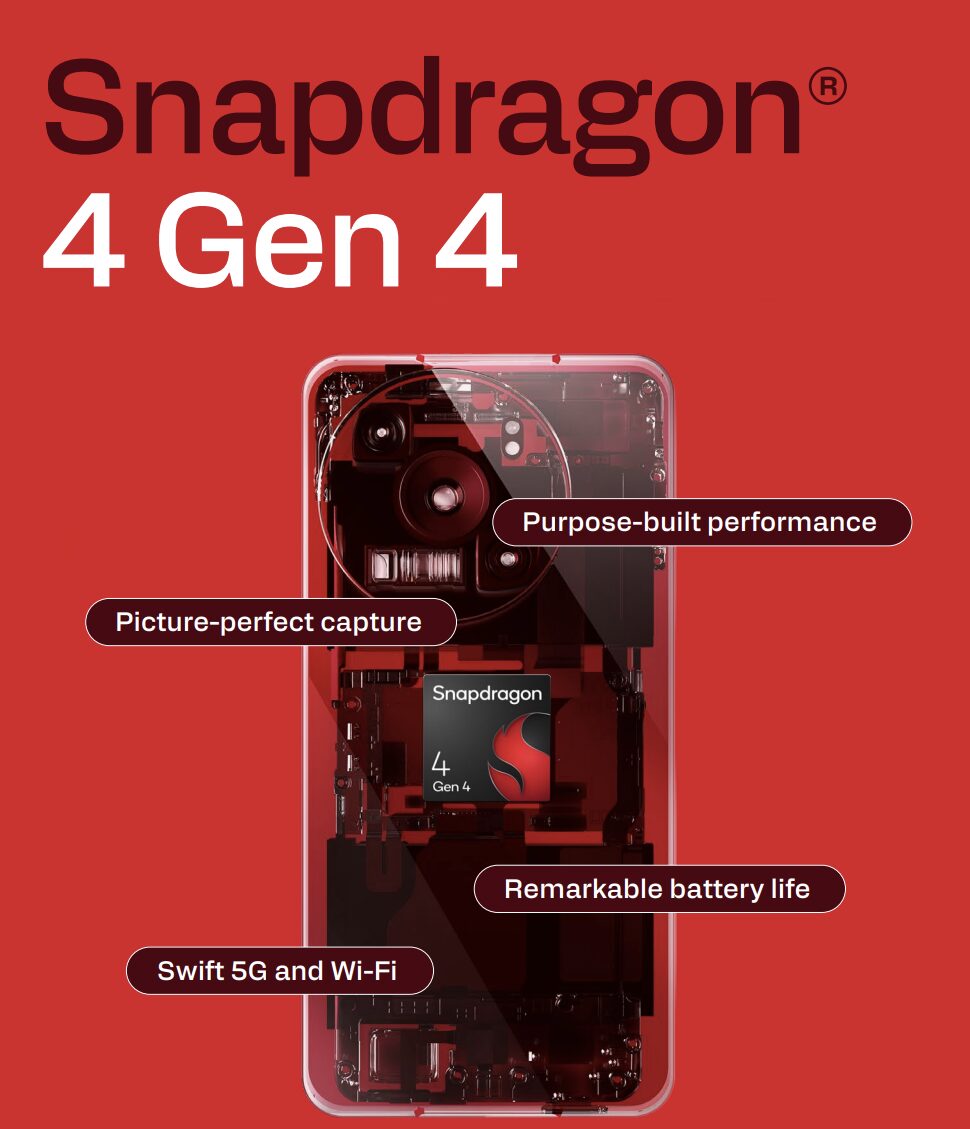
The chipset integrates a Kryo CPU paired with an Adreno GPU, enabling smoother application handling, responsive animations and support for up to 120 FPS display refresh rates. This ensures a more modern user experience in budget models without raising device cost significantly. Qualcomm’s design targets everyday reliability rather than flagship-level output, keeping thermals and power draw stable.
Camera and Imaging
The Snapdragon 4 Gen 4 includes advanced image processing via hardware-level multi-frame noise reduction. This upgrade supports up to 108 MP sensors, allowing clearer low-light photography and faster image capture. The ISP architecture aligns with Qualcomm’s newer generation pipelines, bringing consistent results even in entry-level segments.
Connectivity and Charging
One of the key improvements is its 5G capability for affordable models. Combined with Qualcomm Quick Charge 4+, devices can reach 50% battery level in about 15 minutes. This allows brands within Xiaomi’s ecosystem to build more reliable mid-range alternatives for users needing fast, efficient charging and wider network access.
Snapdragon 6s 4G Gen 2 Overview
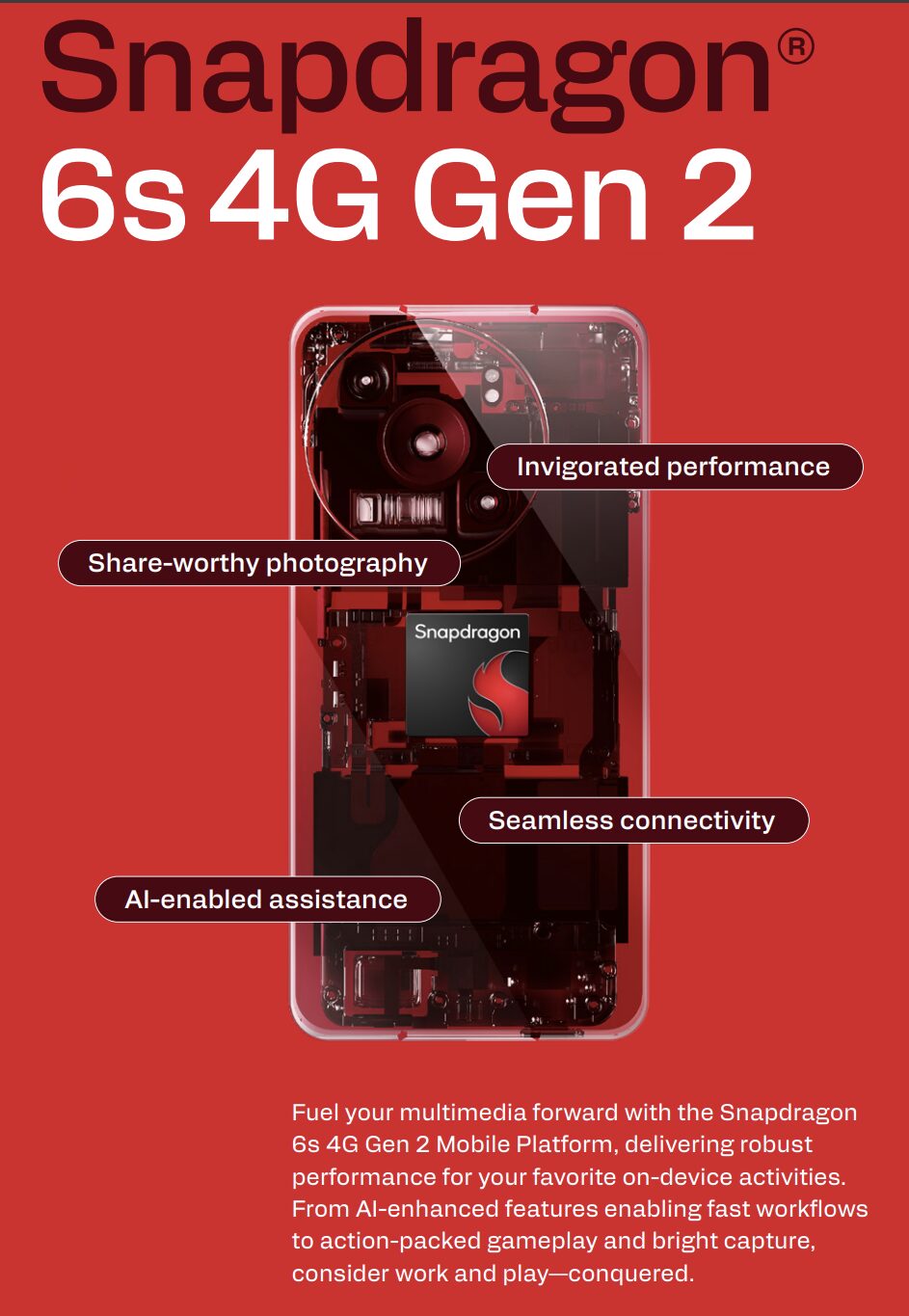
Unlike Snapdragon 4 Gen 4, Snapdragon 6s 4G Gen 2 targets users who prefer stable 4G performance without adopting 5G. The chipset introduces a 2.9 GHz Kryo CPU, delivering up to 51% improved processing speed and 20% enhanced GPU performance over its predecessor.
Hardware Design
Developed on a 6nm process, it supports FHD+ 120 Hz displays similar to mid-range offerings. The architecture enables smooth gaming and multimedia performance, making it a suitable option for manufacturers in developing markets.
Connectivity and Imaging
Since this is a 4G-only platform, it relies on the Qualcomm LTE modem. It supports Wi-Fi 5 and Bluetooth 5.2, ensuring stable data transfer. The Spectra ISP provides up to 108 MP photography with zero shutter lag for single or triple camera systems.
Charging Technology
Quick Charge 3.0 support enables the device to reach 80% battery level in approximately 35 minutes. Although not as fast as Quick Charge 4+, it remains practical for low-cost smartphones that emphasize battery longevity rather than raw speed.
Snapdragon 4 Gen 4 vs Snapdragon 6s 4G Gen 2
| Feature | Snapdragon 4 Gen 4 | Snapdragon 6s 4G Gen 2 |
|---|---|---|
| Network | 5G | 4G LTE |
| CPU Speed | ~2.3 GHz | Up to 2.9 GHz |
| Charging | QC 4+ (50% / ~15 min) | QC 3.0 (80% / ~35 min) |
| Camera | 108 MP + Noise Reduction | 108 MP (Spectra ISP) |
| Display Support | 120 FPS | 120 Hz FHD+ |
Both chipsets are expected to power entry-level and lower mid-range smartphones starting in 2026, bringing modern standards to more accessible price segments.