


The system app locking feature with Android 17 will be a native implementation of an app lock system and an important milestone in Google’s roadmap for mobile security. This feature is bound to be especially welcome among Xiaomi users who have enjoyed built-in app lock features since the days of MIUI. According to a report by Android Authority, citing evidence from early code in the latest Android Canary release, Google seems to be working on deeper, system-level integration that will bring better security, improved power efficiency, and easier usability.
Android 17 Introduces a True System-Level App Lock
The Android platform has always lacked an integrated, launcher-based app lock mechanism. While Xiaomi’s own App Lock has been available from MIUI to HyperOS to address this need, stock Android relied on less efficient options for this purpose. With Android 17, Google is finally going to bridge this gap by introducing a permission structure named LOCK_APPS, which can be found in the Android Canary 2512 build.
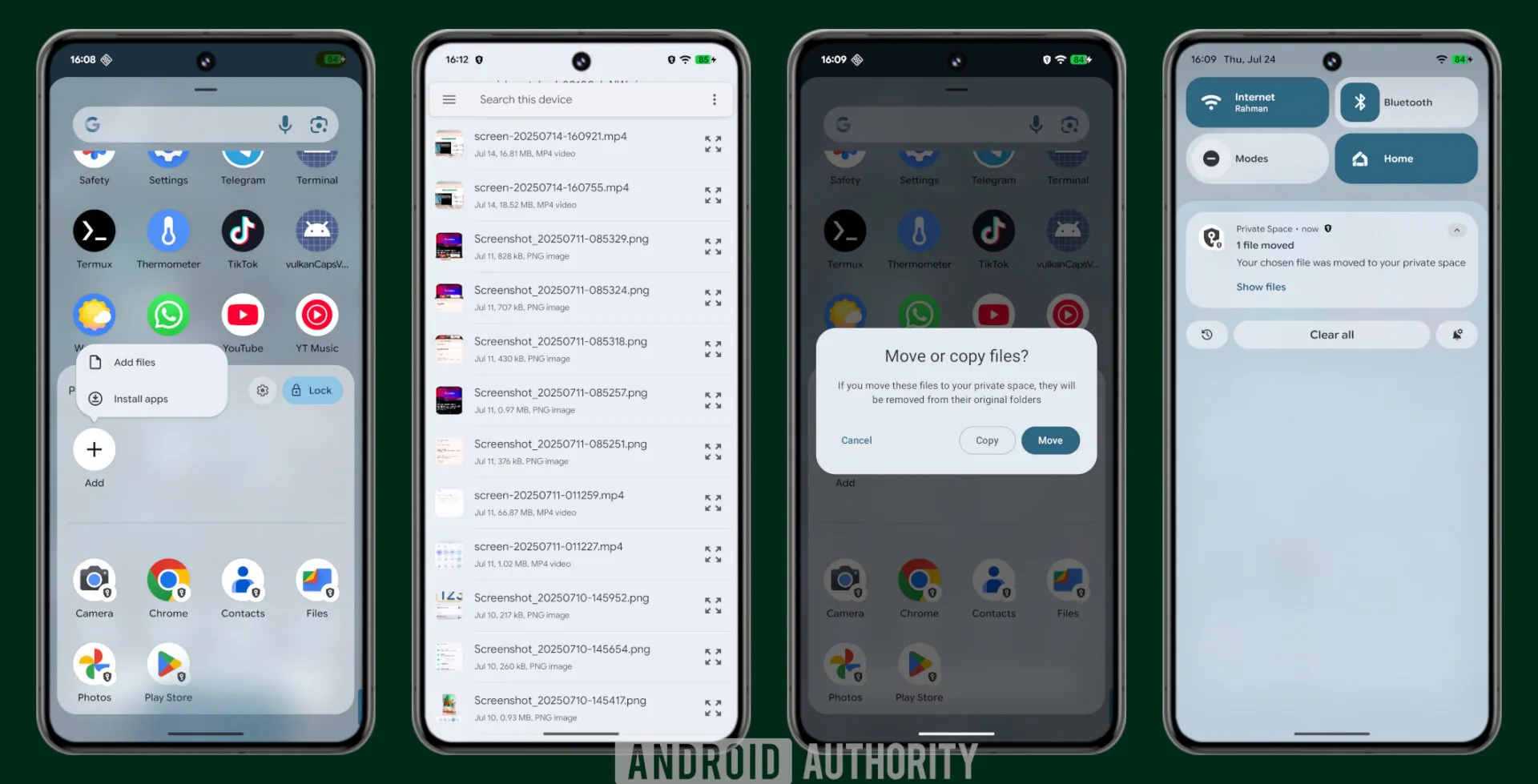
This finding emphasizes that this new functionality will be able to be executed by only the system apps and the launchers with the role HOME, lest third-party utilities abuse the mechanism. This reflects Google’s current shift toward platform security tightening, while maintaining efficient system-level performance.
Comparison of Currently Available App Lock Options
Below is a short comparison of existing solutions for Android versus the future native system:
| Feature / Method | Private Space (Android 15) | Third-Party App Locks | Native App Lock (Android 17) |
|---|---|---|---|
| Security Level | High | Medium | Very High |
| Power Efficiency | High | Low | High |
| Usability | Low (restricted access) | Moderate | High |
| Requires Excessive Permissions | No | Yes | No |
| System Integrated | Partial | No | Yes |
Android 17’s new approach means that unlocking depends on the standard Biometric Prompt API, which lets users authenticate with a fingerprint, facial recognition, or a PIN before an app opens. This refinement makes the behavior consistent with Xiaomi’s existing use today but provides a more consistent behavior for the rest of the Android ecosystem.
How the New App-Lock Mechanism Works
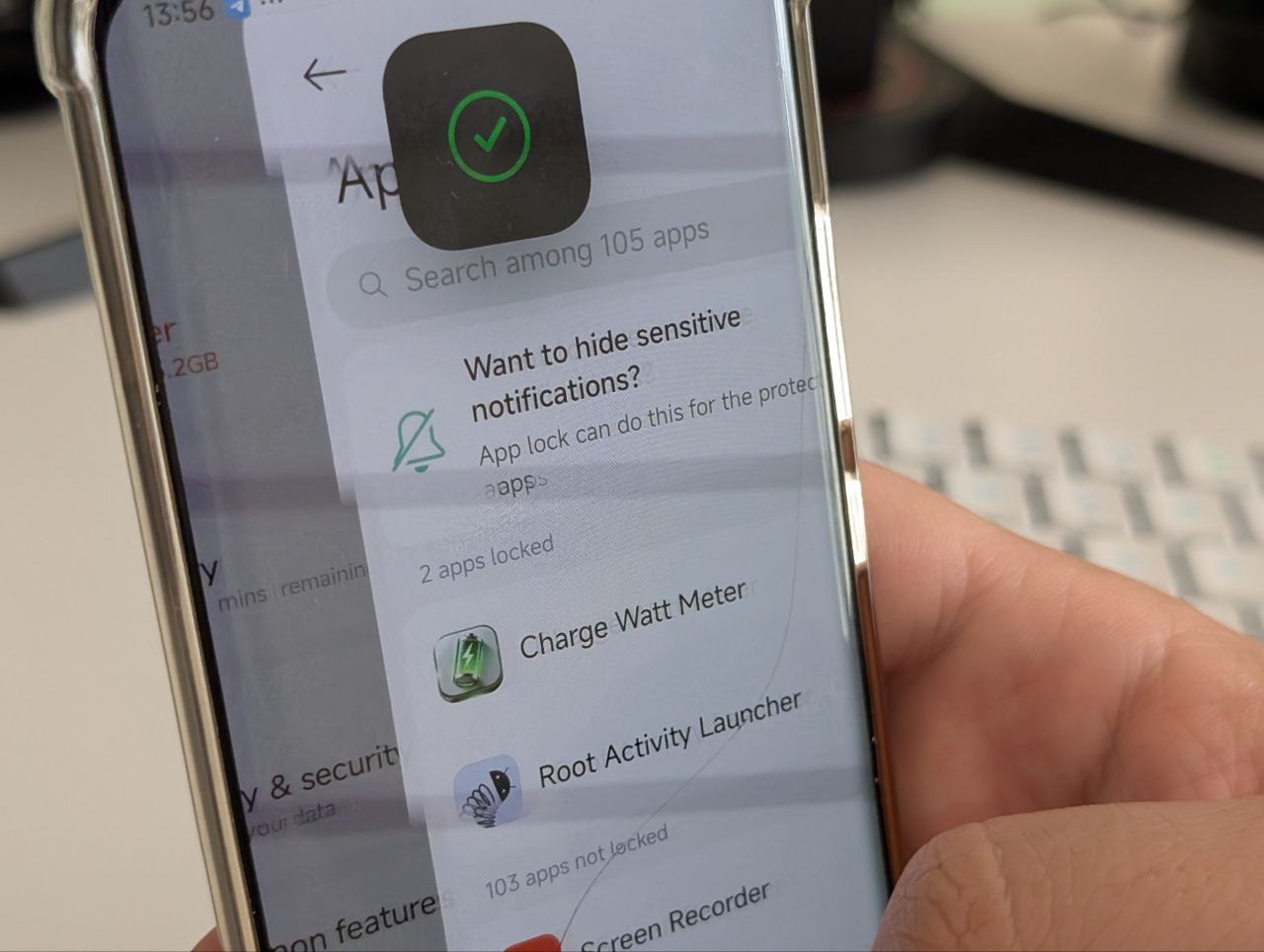
The Canary build reveals that the system logic allows the user to long-press any application icon on the launcher. If locking is supported, the launcher sends a SET_APP_LOCK request to Android’s core security service. Following eligibility check, the system pops up a confirmation interface to ask users whether they want to lock or unlock the selected application.
This approach eliminates dependencies on third-party services and avoids monitoring of background windows, which was done by most third-party applications previously and often resulted in battery drain and/or possible privacy leaks. For Xiaomi users who are used to the optimized performance of HyperOS, this new standard of Android might further enhance device security while staying lightweight.
Supported Categories of Devices
Based on the code setup today, Google applies the restrictions to maintain compatibility. The feature will not apply to anything larger than a handheld device, meaning it will not turn on for:
- Android Automotive systems
- OS smartwatches by wear
- Android TV platforms
This will keep Android 17’s application lock effective and avoid mess on systems whose lock flows may be very different from phone environments.
Expected Time of Release
Since Android 16 is already on the verge of being finalized and its QPR updates rarely add new APIs, the actual app lock would be coming much later in the release of Android 17. This also means versions of Xiaomi devices participating in beta programs or even future HyperOS iterations based on Android 17 will get the full, integrated security experience.
Notably, Xiaomi has provided app lock functions since early versions of MIUI. With Google now providing a unified system standard, Xiaomi’s implementation should fit in even better, potentially enhancing speed, security, and reliability throughout the whole HyperOS ecosystem.
It is stressed that such ‘favorable’ presentation of one’s personality by means of clothes should not result in discrepancy between what people actually are and what they try to become.




i want to get hyperos 3 and android 17 on redmi 13X
okay