


The global smartphone industry is entering a new design transition phase, and Xiaomi is right at the center. Recent regulatory changes, especially in Europe, are pushing manufacturers to rethink sealed smartphone designs and move toward user-serviceable components. This has evoked keen interest in whether Xiaomi may soon bring back the removable back cover in future models, especially at a time when sustainability, repairability, and long-term use of a device become strategic priorities.
Regulatory Pressure Forcing Xiaomi’s Design Change
The main driver for this architectural shift is the European Union Battery Regulation 2023/1542, set to be fully enforced from 2027. Among other things, the regulation stipulates that batteries in portable electronic devices will be required to be easily removable by end users without heat, solvents, or dangerous tools. As Xiaomi is a big player in both the European market future products will have to fully comply with such rules.
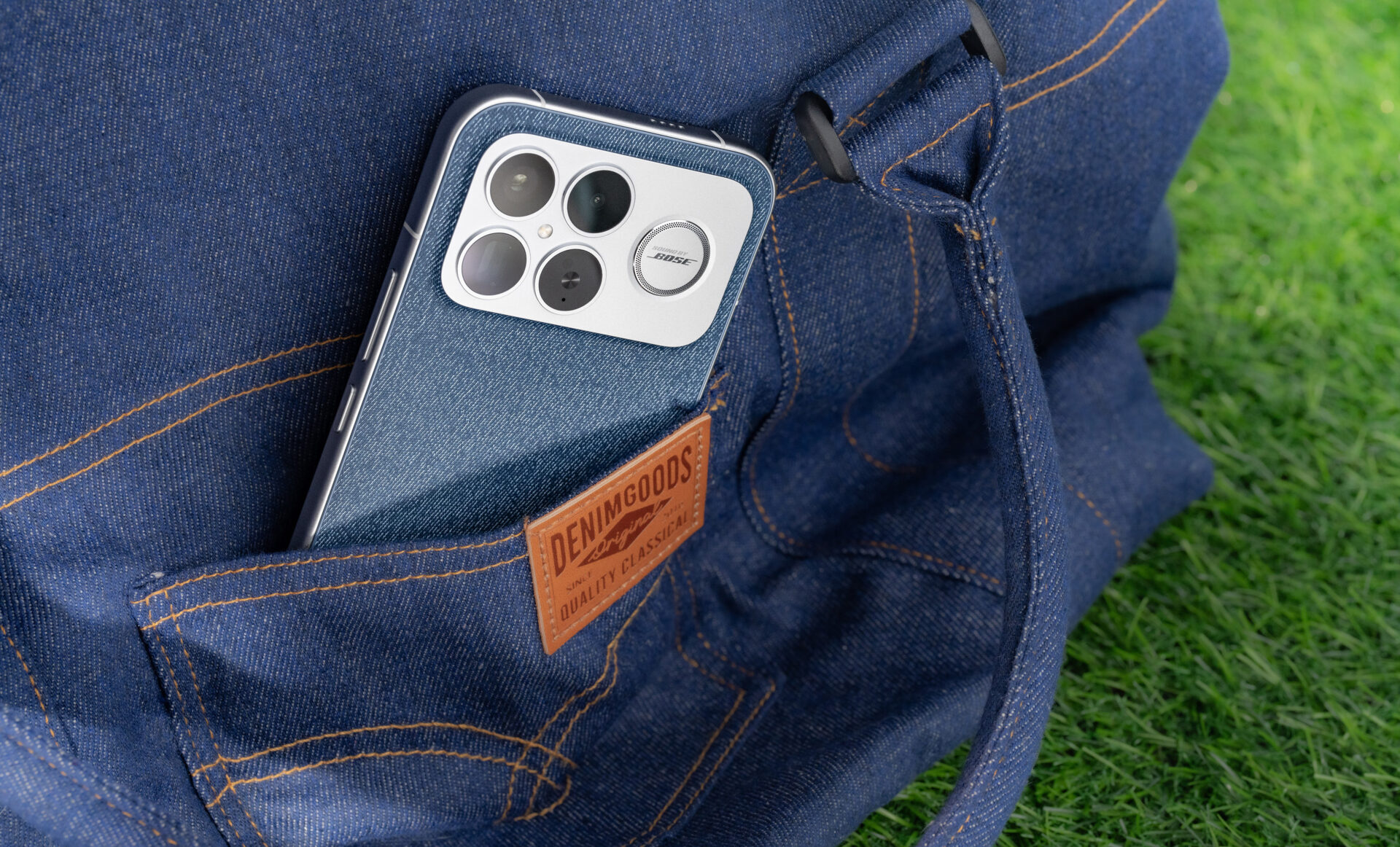
Unlike the older removable plastic covers, this new paradigm does not mean returning to fragile designs. On the contrary, Xiaomi invests in advanced mechanical structures, reinforced frames, and precision sealing systems that support both durability and accessibility. This way, Xiaomi can maintain premium build quality while remaining aligned with strict legal requirements.
User-Replaceable Battery as a Compulsory Standard
The key technical requirement is that batteries must be replaceable using only widely available commercial tools, like standard screwdrivers and plastic prying tools, but not heating methods, chemicals, or special equipment. In this regard, traditional heat-based gluing should be abandoned by Xiaomi for safer, controllable fastening systems.
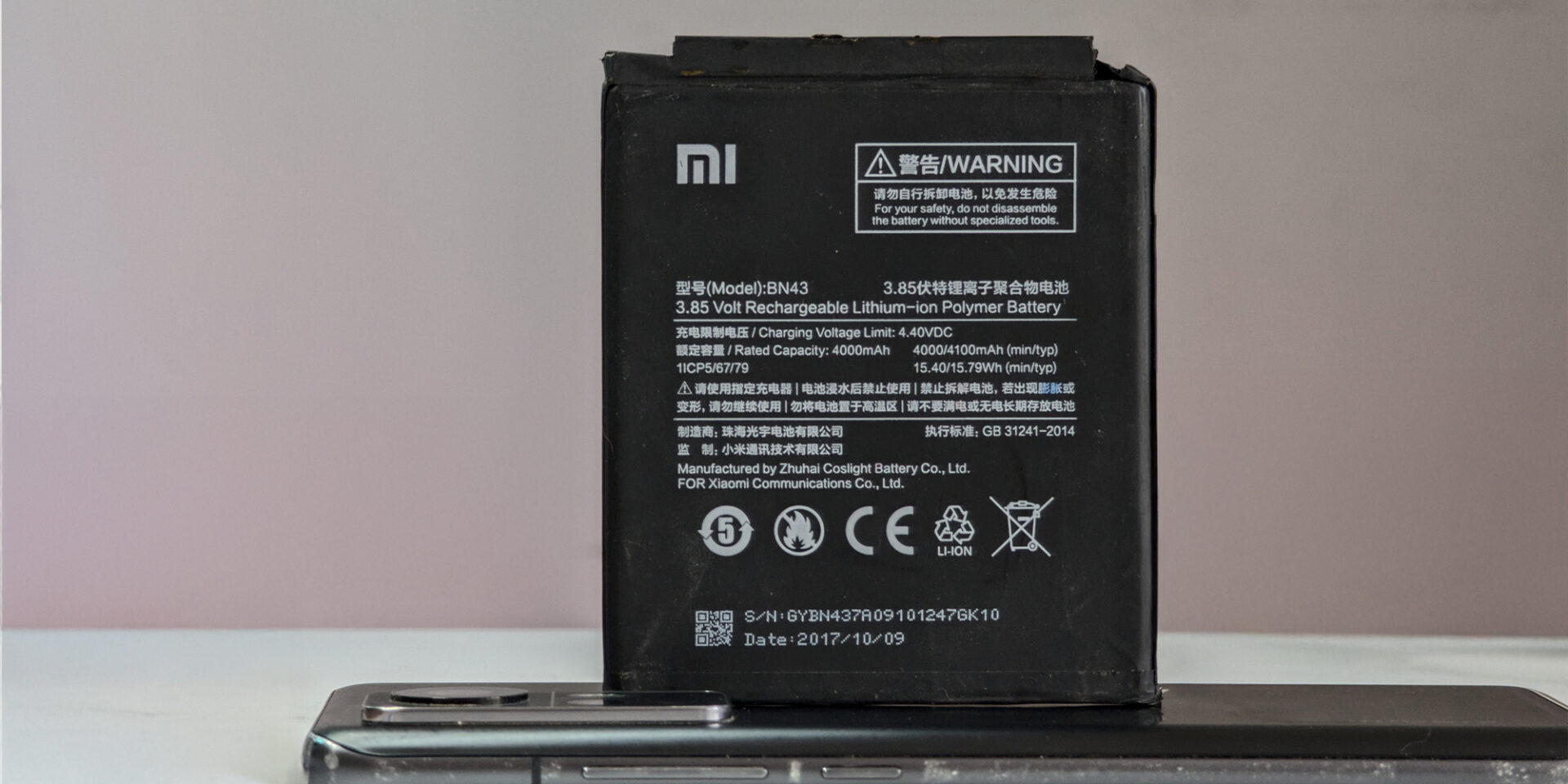
That directly points to a change in the future flagship models. Units that are likely to come after the Xiaomi 17 series will almost certainly have controlled opening mechanisms instead of fully sealed unibody chassis, as seen in the Xiaomi 14 Ultra and similar units.
Xiaomi’s Engineering Response to Removable Design Challenges
But instead of viewing this as a limitation, Xiaomi sees it as a technological opportunity. The company is therefore working on developing smart separation adhesives that can be electrically deactivated, allowing the back cover to be safely opened without the use of heat or force.
These electrically releasable bonding systems allow for strong structural integrity in everyday use while enabling clean separation upon the application of low-voltage current. The technology is likely to make its debut in forthcoming flagship lines as Xiaomi transitions into full regulatory compliance.
Investments in Solid-State Batteries
In an attempt to make user battery replacement safer, Xiaomi is heavily investing in solid-state battery technology. Unlike traditional lithium-ion cells, solid-state batteries utilize solid electrolytes that radically reduce fire and puncture risks, making them far more suitable for consumer-handled replacement.
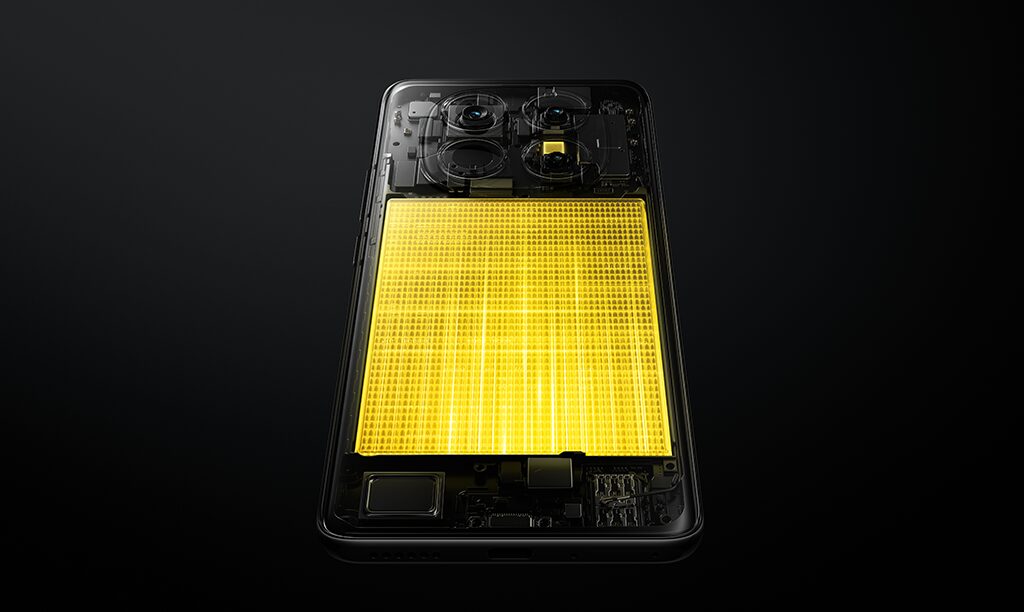
Besides, solid-state batteries provide higher energy density, which supports Xiaomi in maintaining slim profiles of devices even while introducing mechanical locking structures and reinforced battery housings.
Timeline of Xiaomi’s Transition Strategy
Xiaomi 19 series have to be designed to be completely compliant with EU regulations, the back covers can be opened with simple tools or bundled accessories by users.
Although there are some rumors suggesting large battery upgrades, Xiaomi is focusing on balanced performance and durability rather than extreme capacity inflation. All expected pricing references are currently region-specific, and future devices introduced in China will be evaluated separately for global availability.
Benefits for the Second-Hand Market
Most devices featuring replaceable batteries hold more of their resale value. The presence of easily accessible battery modules in some Xiaomi devices will not make them obsolete and may provide better long-term value in an active market used smartphone market.

Software Adaptation Under HyperOS
But changing the hardware itself is not enough: Xiaomi’s software layer, HyperOS, will also need to evolve to automatically recognize when a battery replacement has occurred and readjust system performance. Software-based restrictions to block functionality of the device following part replacement are discouraged by regulations.
Removable back covers are not just coming back; they are being reimagined. Xiaomi is getting ready for a future where devices are durable, repairable, and user-friendly without any compromise on quality. Starting from 2027, Xiaomi smartphones will enter a new era of accessible hardware design, driven by legislation and supported by contemporary material science. This change is structural, moving toward longer-lived devices and a more circular technology economy.



Will Redmi 14pro+ get Hyper OS 3?