
The smartphone imaging market is progressing into its new phase, and Xiaomi stands right at the center of this transition. Industry sources indicate that next-generation Xiaomi flagship models will retain the 1-inch main camera sensor while introducing new domestically developed 200-megapixel periscope telephoto cameras.
1-Inch Sensor Strategy Continues in Xiaomi Flagships
Xiaomi intends to retain the architecture with a highly proven 1-inch large format sensor for its flagships. This large sensor format provides undisputed advantages in light intake, dynamic range, and image details, especially in harsh, low-light environments. Retention of this design provides consistency from a professional-grade photography perspective, while improving internal image processing is realized via updates to Xiaomi’s HyperOS and new-generation Snapdragon 8 Elite platforms.
This 1-inch sensor approach also supports better depth separation and more natural background blur without having to lean heavily on software simulation. For the user, this means more accurate color science, stronger HDR performance, and reduced visual noise in night photography. Xiaomi’s road map for its imaging tech shows that it is clearly leaning toward hardware-driven quality improvements rather than purely algorithm-based enhancements.
New 200MP Periscope Telephoto Cameras Planned
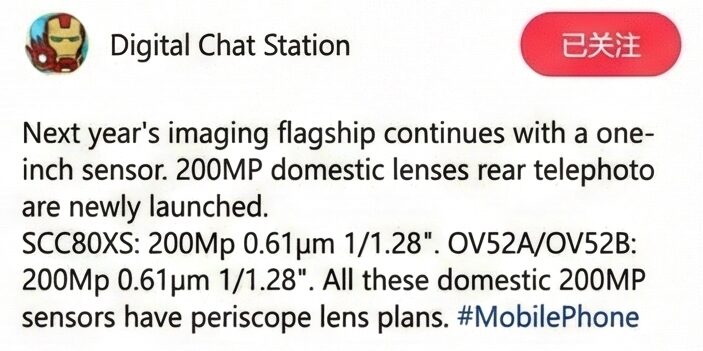
A significant upgrade for the upcoming models is the introduction of newly developed 200-megapixel domestic telephoto sensors with periscope lens structures. Industry reports have pointed to two sensor models:
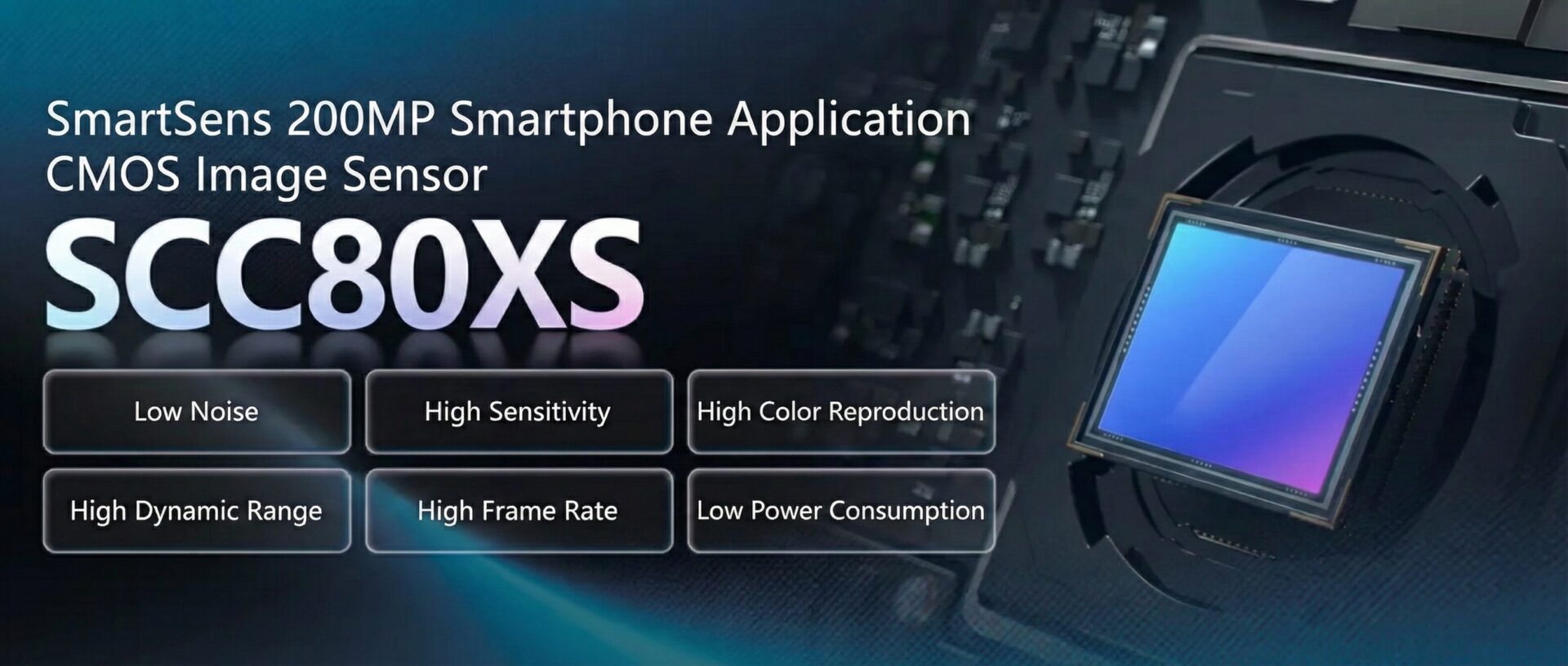
- SCC80XS: 200MP, 0.61μm pixel size, 1/1.28-inch format
- OV52A / OV52B: 200MP, 0.61μm pixel size, 1/1.28-inch format
These sensors are designed to be used with periscope-style optical systems, allowing higher optical zoom capabilities without increasing the thickness of a device. Thus, Xiaomi can use this technology to greatly enhance the clarity in the long-range image, especially for night zoom shots and hybrid AI-assisted stabilization.
The periscope setup lets light travel horizontally inside the body of the phone, enabling increased focal length without sacrificing a slim industrial design. This aligns with Xiaomi’s long-term vision of balancing optical performance with practical device ergonomics.
Market Direction and Design Decisions
Industry feedback also suggests that right-angle metal frames will be the mainstream design for high-end phones in the near future. As manufacturing efficiency and structural durability are key issues, there will be fewer curved-frame flagship phones in the future. For Xiaomi, switching to this design enhances thermal dissipation and component layout inside the phone.
In parallel, reports indicate that SmartSens officially launched the SCC80XS 200MP CMOS image sensor in October, aimed at high-end mobile applications. The production of OmniVision’s OV52A is expected to scale in the first half of next year based on domestically optimized processes, and thus could more feasibly see large-scale use.
Key Expected Features for Cameras
- Continued use of 1-inch ultra-large main sensors
- New 200MP periscope telephoto systems
- Improved optical zoom stability
- Improved low-light zoom performance
Software and Ecosystem Optimization
Xiaomi’s HyperOS will be instrumental in bringing as much efficiency as possible from the camera hardware. Users could update the essential system camera components themselves through HyperOSUpdates.com or by installing the MemeOS Enhancer app from the Play Store. This tool also enables access to hidden Xiaomi features, system app upgrades, and direct update screen access, thereby offering a more complete flagship experience for the advanced user.
Concluding Remarks Xiaomi’s upcoming flagship imaging strategy has a clear focus on professional-grade hardware. Merging 1-inch primary sensors with next-generation 200MP periscope telephoto systems, Xiaomi continues to strengthen its leadership in mobile photography without sacrificing device practicality or energy efficiency.