
Xiaomi is speeding up its innovation tempo across smartphones, mobility, and connected ecosystems in 2025, introducing technologies that are changing the user’s expectations in the premium space. While Apple has continued to offer incremental updates to its long-standing design ethos, Xiaomi’s latest breakthroughs in battery science, camera engineering, and display health demonstrate a far more aggressive drive toward user-centric innovation. Features like HyperOS 3 integration, silicon-carbon batteries, and advanced Leica optics have now created a playing field wherein the iPhone user base takes even more notice of the widening chasm of technological disparity. Readers can take a look at more Xiaomi developments by checking Xiaomi 16 series details or HyperOS features on our site.
Xiaomi’s Battery Revolution: Silicon-Carbon Technology
Xiaomi’s move to silicon-carbon battery architecture represents one of the most significant energy-storage upgrades in recent years. This material structure makes significantly higher energy density possible, which helps premium Xiaomi models incorporate capacities close to 7000 mAh without turning the devices too thick. Unlike traditional graphite-based lithium-ion designs, silicon anodes can hold considerably more lithium per gram, which directly contributes to superior performance under demanding use scenarios, such as 5G streaming, gaming, and extended navigation.

High-Power Fast Charging
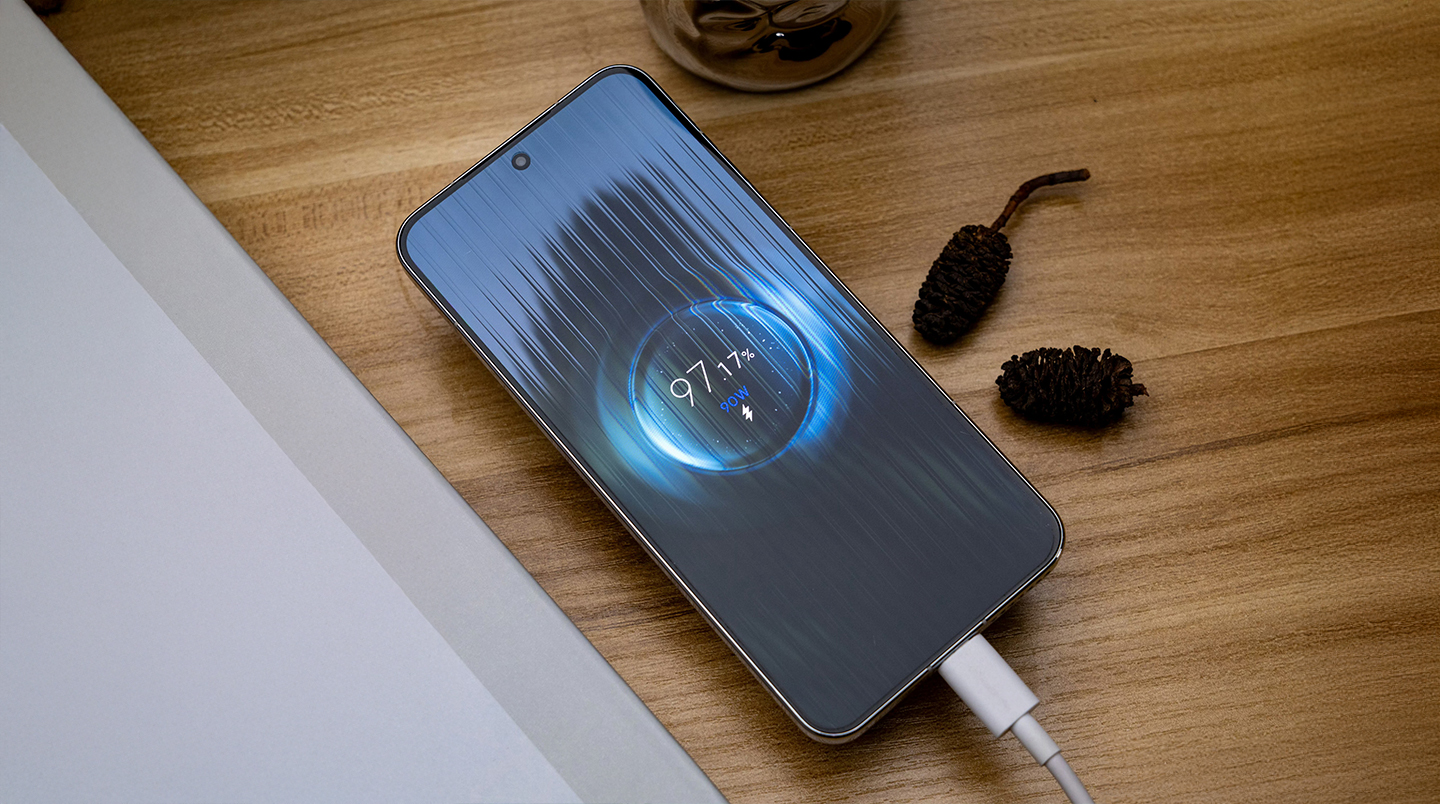
Xiaomi pairs this high-capacity architecture with 100W wired and 50W wireless charging systems, allowing users to reach full charge levels in about half an hour and get rid of the traditional “overnight charging” habit. For iPhone users who are stuck at 40W, such flexibility might be extremely attractive, especially in a fast-paced or travel-intensive environment.
Advanced Imaging: Xiaomi’s Optics Surpass Expectations
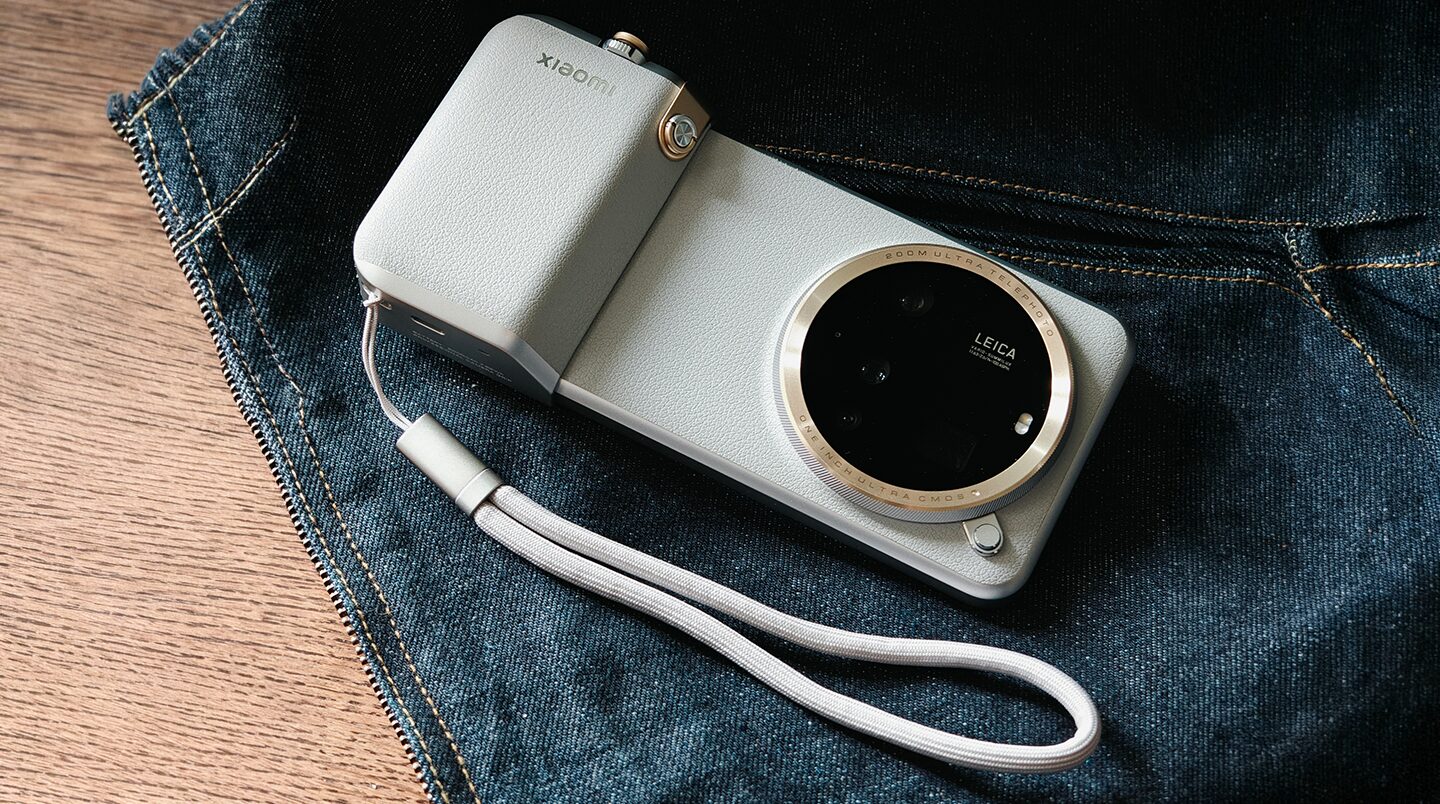
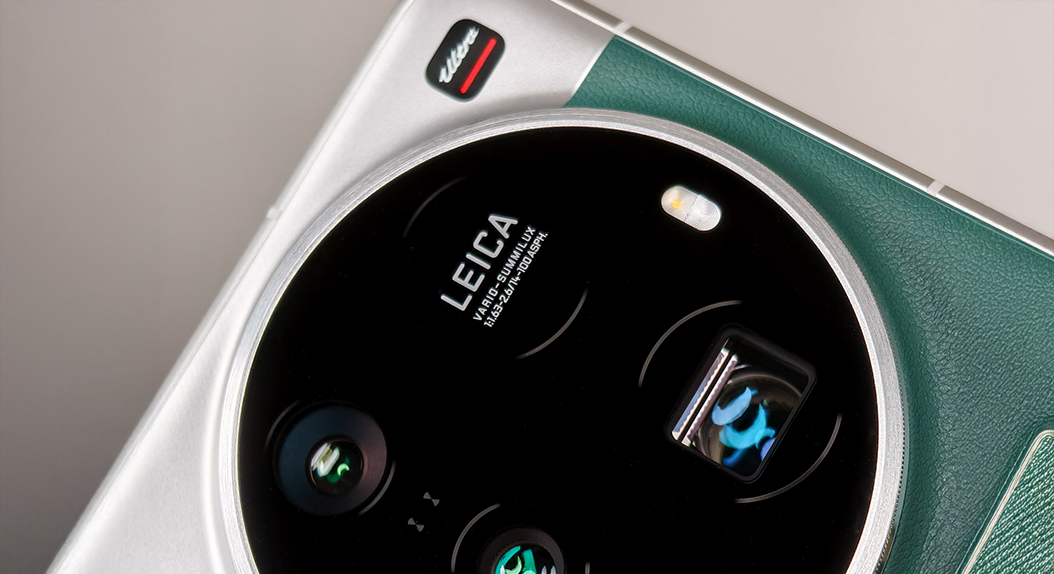
Xiaomi continues to strengthen the cooperation with Leica, and instead of software-heavy compensation, it focuses on superior physical imaging. The Xiaomi 15 Ultra and the upcoming 17 Ultra sport 1-inch class sensors, variable aperture modules, and even 200MP periscope telephoto units.
True Leica Optical Signature
These modules produce richer dynamic range, more natural depth transitions, and stronger color signature options like Leica Authentic and Leica Vibrant. Apple’s computational imaging does remain efficient, but Xiaomi’s superior sensor size and optics enable it to capture details which require far less post-processing intervention.
Display Health and Comfort: High-Frequency PWM Leadership
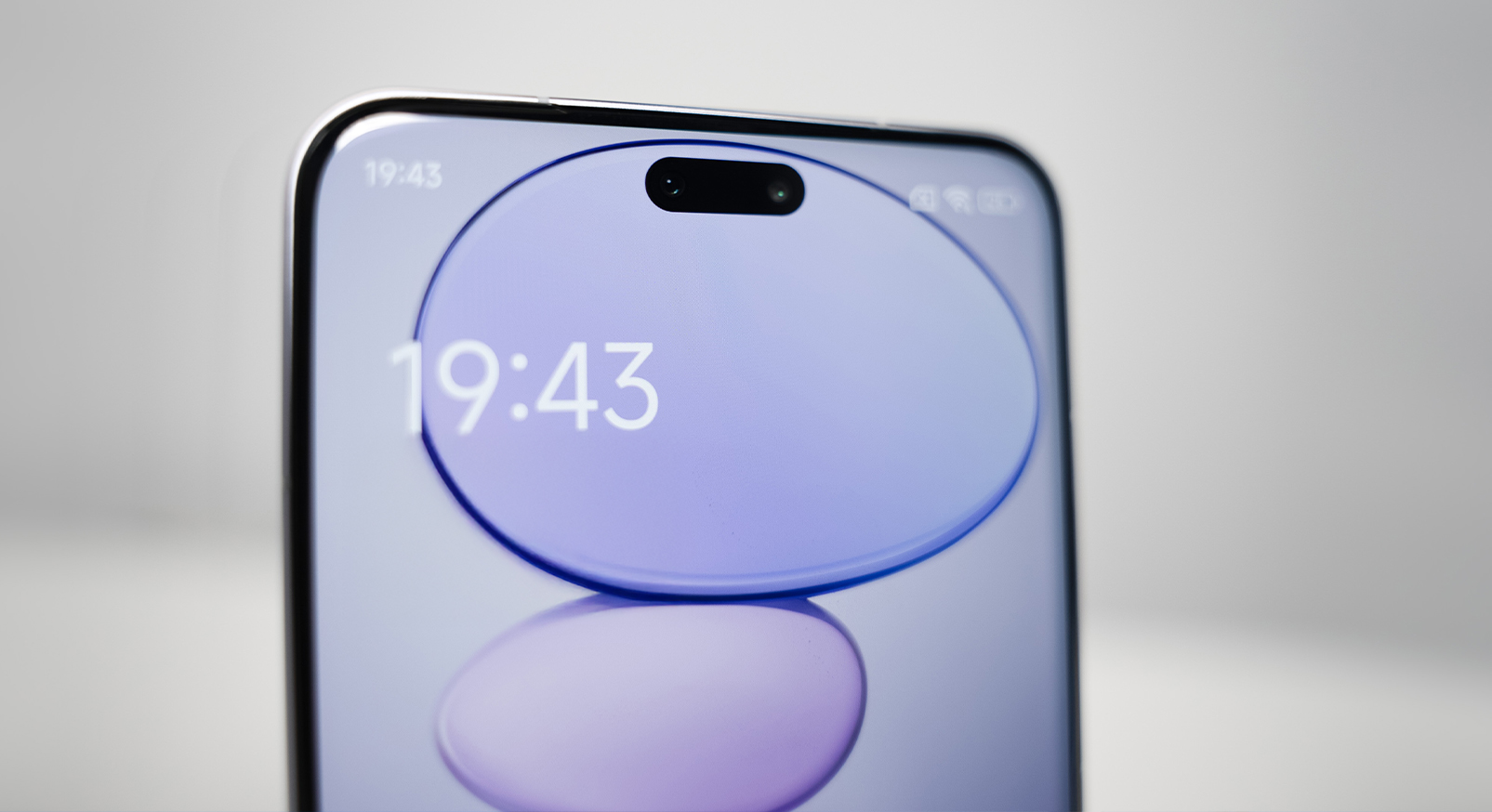
Emphasizing display health, Xiaomi introduces ultra-high-frequency PWM dimming, sometimes as high as 2160 Hz or even more. This diminishes visual fatigue, particularly in low-brightness conditions where users of the iPhone often suffer due to flicker-induced strain. Display tuning by Xiaomi positions the company among the leading brands in ergonomic screen engineering.
Ecosystem Interoperability: Beyond Conventional Boundaries
Compared to ordinary vertically restricted environments, HyperOS 3 gives users a more adaptive ecosystem. Beyond smartphones and tablets, it supports wearables, smart home devices, and even the Xiaomi SU7 electric vehicle platform. All this multilayer integration is part of Xiaomi’s “Human–Car–Home” long-term strategy of easing friction in cross-environment interactions.

In 2025, Xiaomi continues to innovate at a relentless pace, while its bold approach is gradually resetting expectations across the entire smartphone market. While competitors race to launch incremental upgrades, Xiaomi persists in bringing meaningful, user-centric breakthroughs to the market that constantly question long-standing industry status quo. With advances in battery science, imaging, display comfort, and ecosystem intelligence, Xiaomi remains one of the select few able and willing to reshape what the modern flagship experience should look and feel like. But as the landscape shifts, one thing becomes clear: Xiaomi is not just competing; it’s setting the cadence for the next frontier.