


Black Shark, one of the heavyweights in the mobile gaming world, is making a strategic move to return to the tablet market; but this time with a significant difference. The brand is preparing to announce its first tablet powered by a Qualcomm processor, marking a first in its history. Leaked images and technical details signal that this new device will be a performance-focused “beast.” Here’s an in-depth look at the design, hardware, and technical specifications of Black Shark’s new tablet, based on the leaked images.
A Historic Milestone: Switching from MediaTek to Qualcomm
This new tablet from Black Shark represents a first in the brand’s product history. The company had previously opted for MediaTek or Unisoc processors, which generally target the entry-level to mid-range segment, in models such as the Black Shark Pad 6. While these devices were marketed as “gaming gear,” they always raised questions for hardcore gamers seeking pure performance.
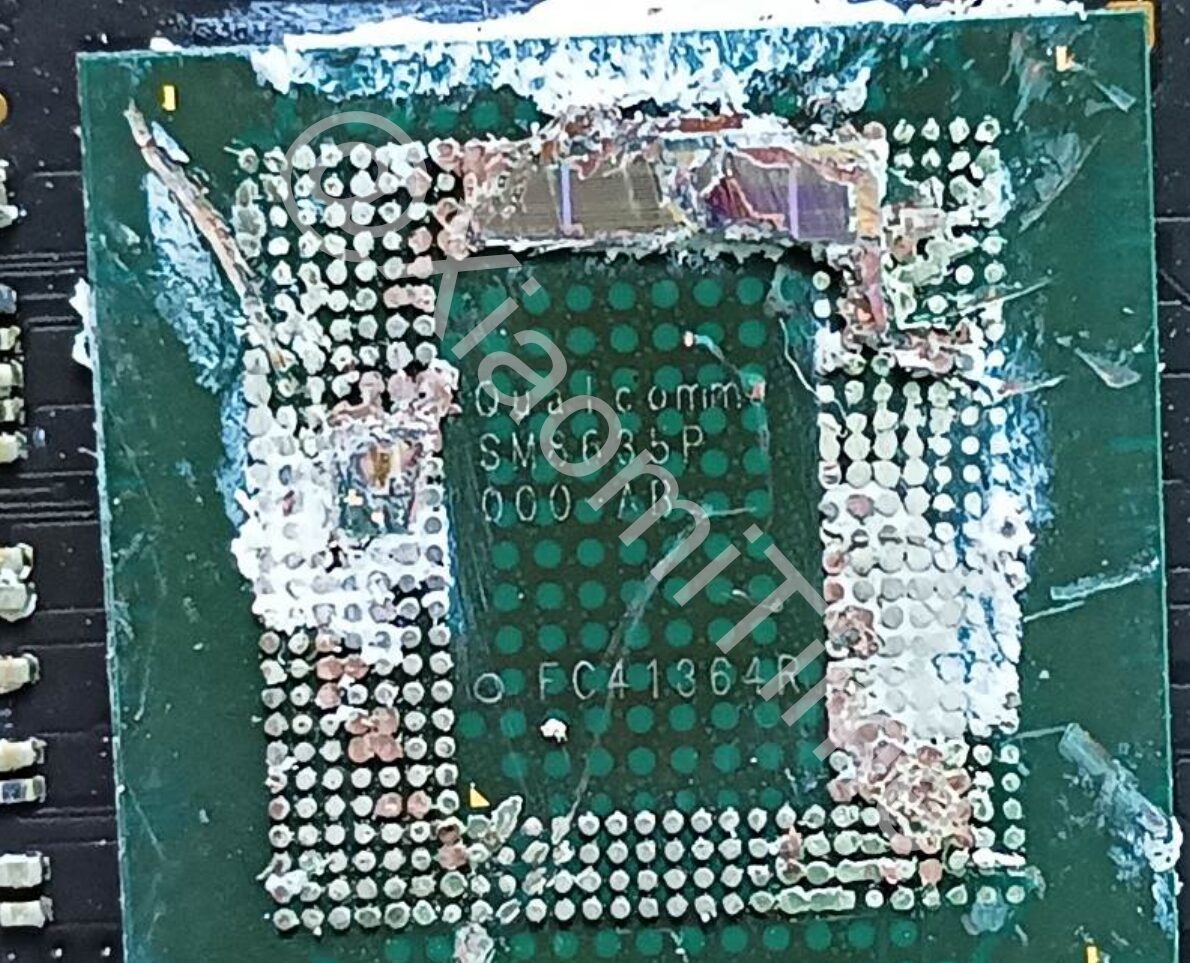
However, with this leaked new model, Black Shark is completely changing its tablet philosophy. The “QUALCOMM SM8635P” label on the leaked motherboard images confirms that the brand will be using Qualcomm silicon, specifically the Snapdragon 8s Gen 3 chipset, in its tablet for the first time. This move is the clearest indication yet that Black Shark is moving beyond simply creating a “device with a larger screen,” aiming instead to bring the legendary performance of its smartphones to the tablet form factor.
The Snapdragon 8s Gen 3 is a processor that combines flagship performance with efficiency. Compared to Black Shark’s previous MediaTek-powered tablets, this new device promises a leap forward in processing power and graphics performance. Especially in demanding games like Genshin Impact, PUBG Mobile, or Warzone Mobile, it is expected to deliver seamless performance at the highest graphics settings, unlike previous models. Supported by 12GB of RAM, this processor will shatter the brand’s image as an “affordable alternative” in the tablet market and usher in the era of the “true gaming tablet.”
Design Language: “Mecha” Aesthetics and Black Shark DNA
Leaked rear panel images show that Black Shark has not compromised on its design philosophy. Unlike the simple and minimalist metal plates found in the tablet market, this device has a distinctive look.
Back Surface: The back of the device features gray-toned, “Mecha” (robotic)-inspired lines and geometric patterns. The grille-like details on the right side and the fine lines on the left side give the device an industrial and futuristic feel. The iconic “S” (Shark) logo in the center and the “BLACK SHARK” lettering in the lower right corner emphasize the brand identity.
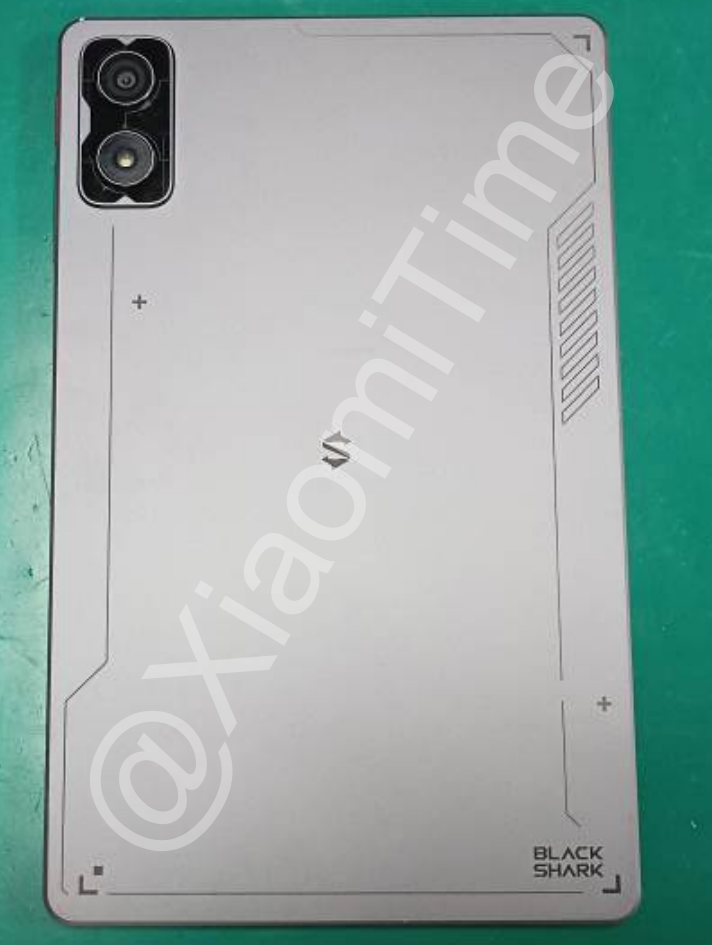
Camera Module: The camera island, located in the upper left corner (when held horizontally), protrudes slightly from the device’s body. The images show a main camera lens and an LED flash just below it. The frame details around the camera island complete the device’s aggressive gaming design.
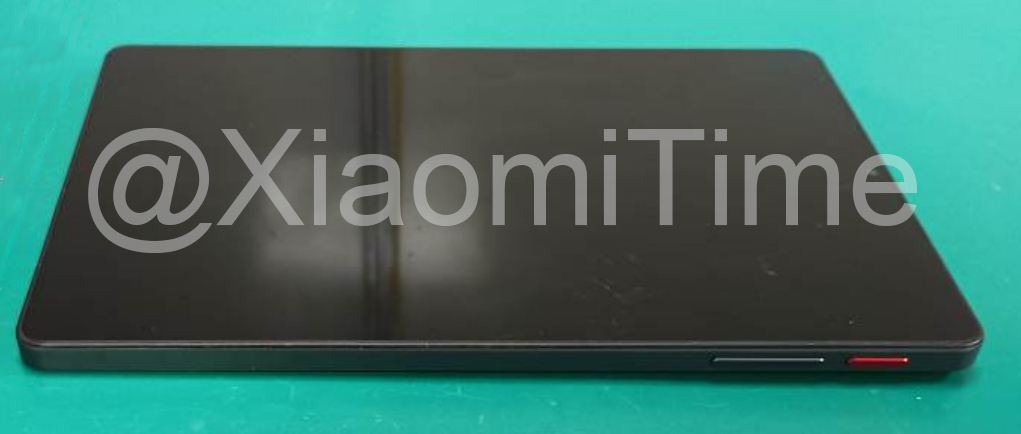
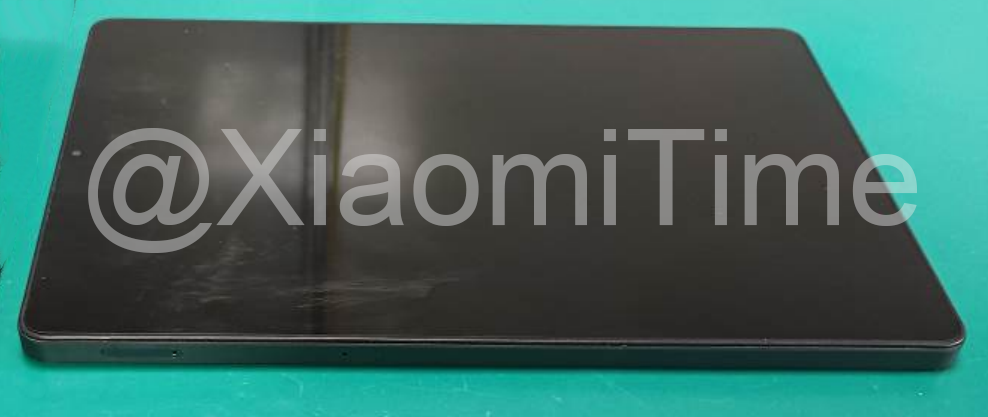
The power button, accented in red, is Black Shark’s signature feature. This small detail reflects the device’s gaming spirit. Volume up and down buttons are located on the top edge (when held horizontally). Speaker grilles are visible on both short sides of the device, indicating it will deliver a good audio experience.
Battery and Charging: Surprising Choice
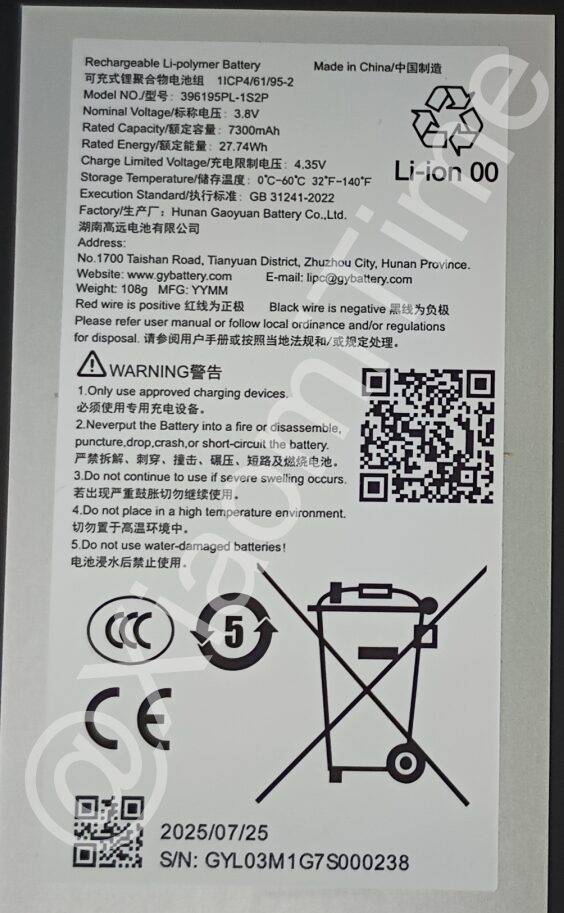
The leaked battery label image provides clear information about the device’s energy storage. The label states “Rated Capacity: 7300mAh.” 7300mAh is a standard value for a tablet in the 8-9 inch range. Considering the efficiency of the Snapdragon 8s Gen 3, this capacity will easily last a day and allow for long hours of gaming.
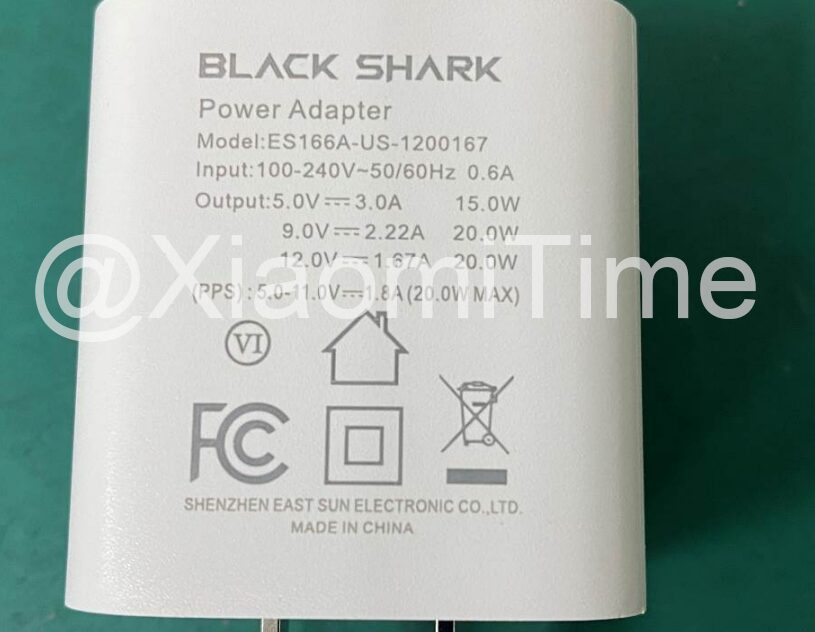
However, the most surprising aspect of the leak is hidden in the charging adapter. The leaked adapter image (Model: ES166A-US) shows output values of 20W (5.0V-3.0A / 9.0V-2.22A / 12.0V-1.67A). It is an interesting choice for a brand accustomed to speeds of 120W, such as Black Shark, to offer 20W charging support (or to include a 20W adapter in the box) for a gaming tablet. This raises two possibilities: Either the device is positioned as a cost-focused price/performance product, or a lower wattage value was chosen to preserve battery health. Still, charging a 7300mAh battery at 20W will take a bit of time by today’s standards.
Storage and Other Hardware Features
It will come with 12GB RAM and 256GB storage. This combination is quite sufficient for today’s mobile games and content consumption. Furthermore, the “TF Card Slot” (MicroSD card slot) detail seen in the diagram indicates that storage space can be expanded, which is a vital feature for massive game files.
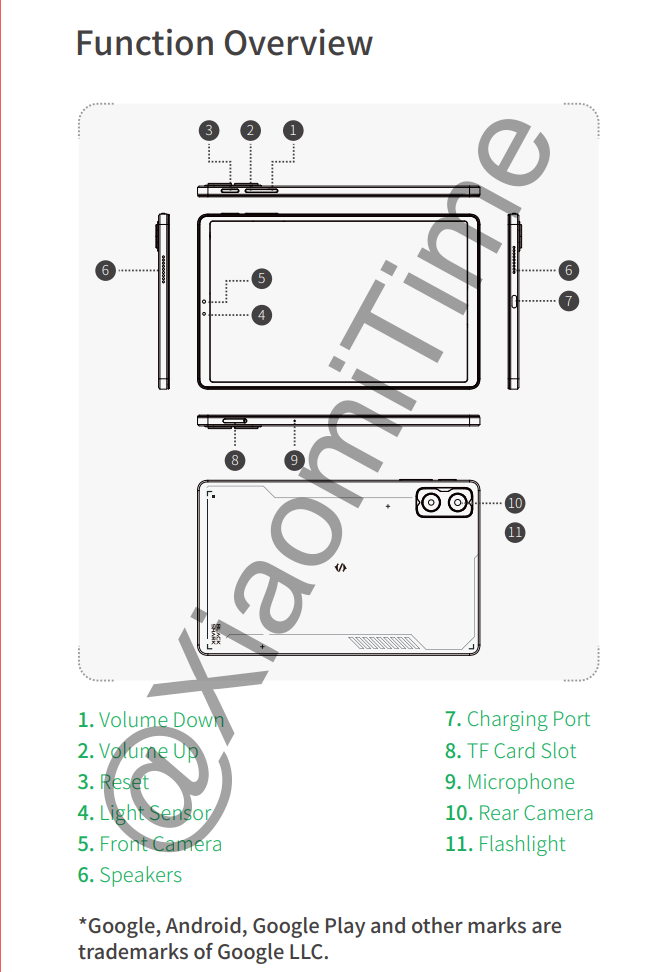
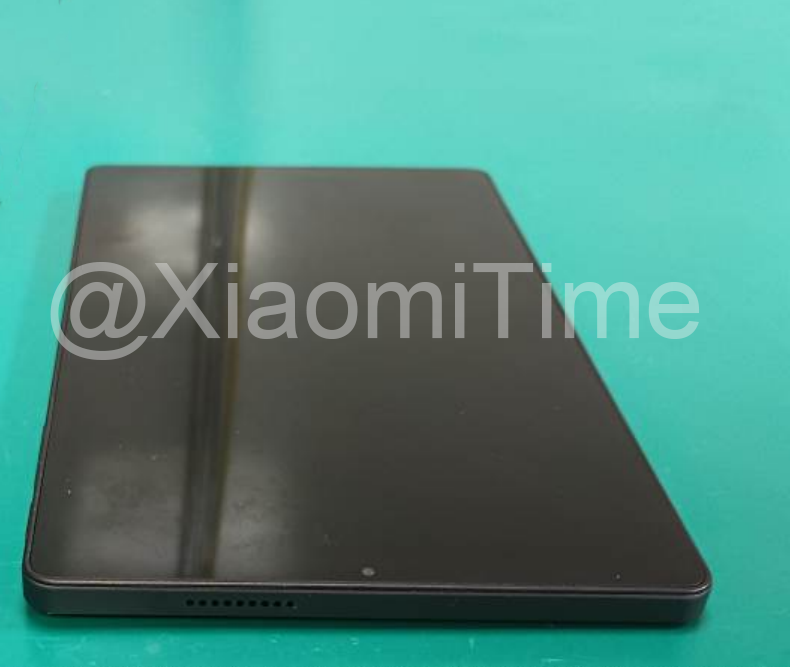
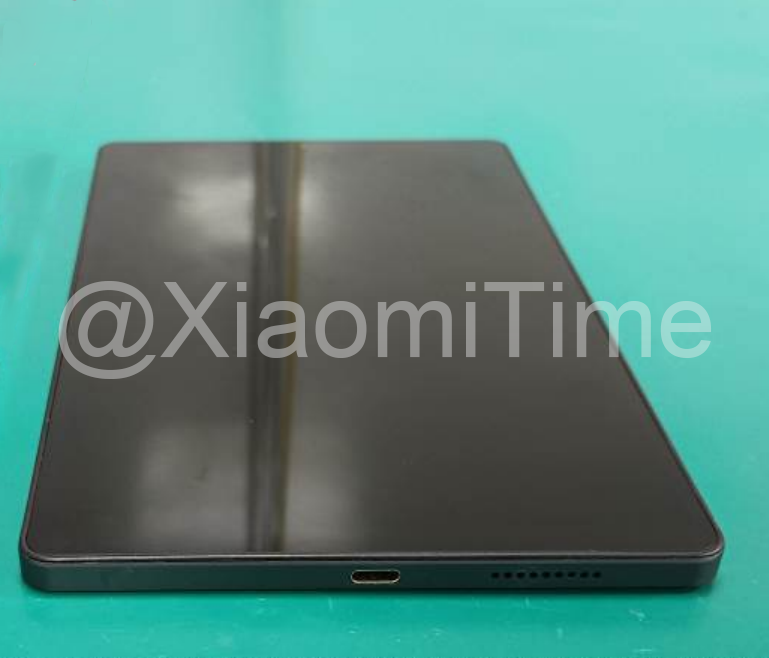
Looking at the front panel of the screen, we see that the bezels are reasonably thin. The front camera is placed on the long edge of the tablet. This further confirms that Black Shark designed this device as a horizontal gaming console and media consumption device rather than a vertical reading device.
Final Thoughts: A New Era for Gaming Tablets?
Black Shark’s first Qualcomm-powered tablet appears to be a well-balanced device based on the specs and leaked images. The combination of a very powerful processor like the Snapdragon 8s Gen 3 with Black Shark’s aggressive design is exciting.
While the device’s biggest question mark is currently its 20W charging speed, if Black Shark launches this tablet with a competitive price tag, the cards could be reshuffled in the Android tablet market, especially in the gaming tablet segment. 12GB of RAM, a powerful processor, and expandable storage make this tablet an attractive option not only for gamers but also for power users.
Although the official announcement date is still unknown, these leaked detailed images (battery certifications, case assembly, adapter details) indicate that the device is in production and the launch is not too far off.



