


The global smartphone industry is seeing some unprecedented structural change as manufacturers revise packaging strategies which, until recently, had remained unchanged for decades. Xiaomi, one of the leading pioneers in mobile and AIoT ecosystems, has introduced region-specific policies on charging adapters, which sharply contrast with those of its rivals. This strategic move considers environmental laws, expectations among local consumers, and technological imperatives.
Evolving Packaging Strategy at Xiaomi
Over the last five years, the market has shifted from accessory-rich smartphone packages to minimalist packaging driven by environmental targets and logistical optimization. Xiaomi initially held on to full accessory sets but moved in step with regional regulatory and operational requirements. This evolution followed the broader trend initiated by Apple, yet Xiaomi’s execution is different due to its diverse product ecosystem, market segmentation, and advanced fast-charging technologies.
Xiaomi’s transition began with the Xiaomi Mi 11 series in China, whereby buyers had the choice of a charger-free box or a package bundled with a 55W GaN adapter with no additional cost. This experimental model gave insight that most users still preferred the bundled charger, a fact meaning that fast charging remained a core value proposition. However, later on, this policy shifted depending on the type of market, regulatory pressure, and local economic positioning.
Regional Differences in Xiaomi’s Charger Strategy
Xiaomi does not apply a uniform global rule; regions differ significantly depending on the legislative frameworks, consumer habits, and competitive market conditions.
European Union: Compliance With Environmental Policies
Similarly, the EU’s Common Charger Directive has increased the onus on manufacturers to streamline packaging and provide charger-agnostic sales options. Therefore, devices such as the Xiaomi 14T Pro in Europe do not include adapters. Xiaomi points to environmental responsibility, alignment with the EU, but also achieving logistical efficiency as key motivators in this transition.
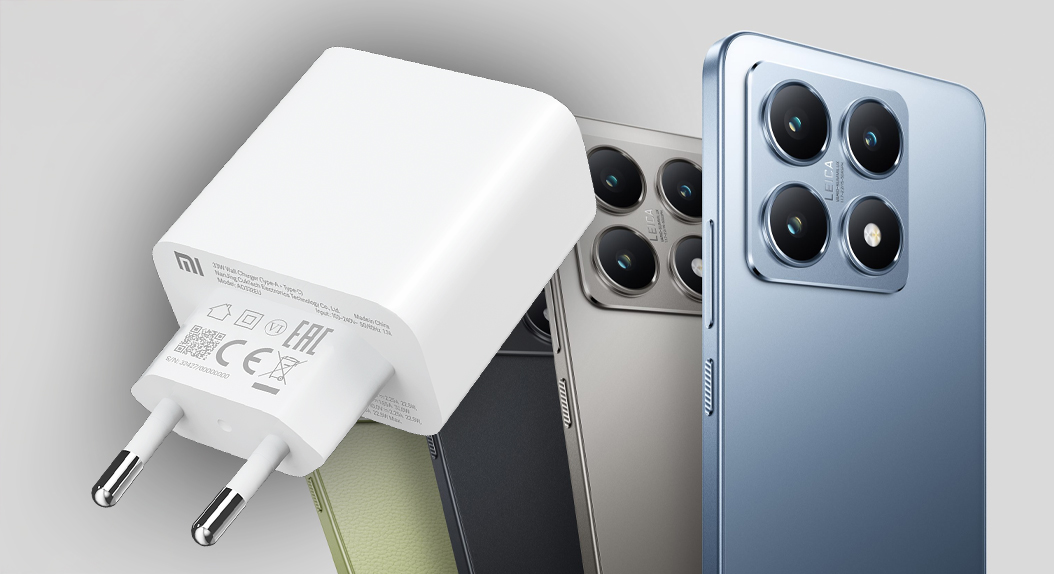
These considerations heavily involve user experience: while Xiaomi’s HyperCharge system can reach 90W to 120W, for example, EU users without an official charger might fall back to the standard USB-PD speeds. In this respect, the technical consequences of region-specific packaging decisions can be significant.
India and Southeast Asia: Value-Focused Strategy
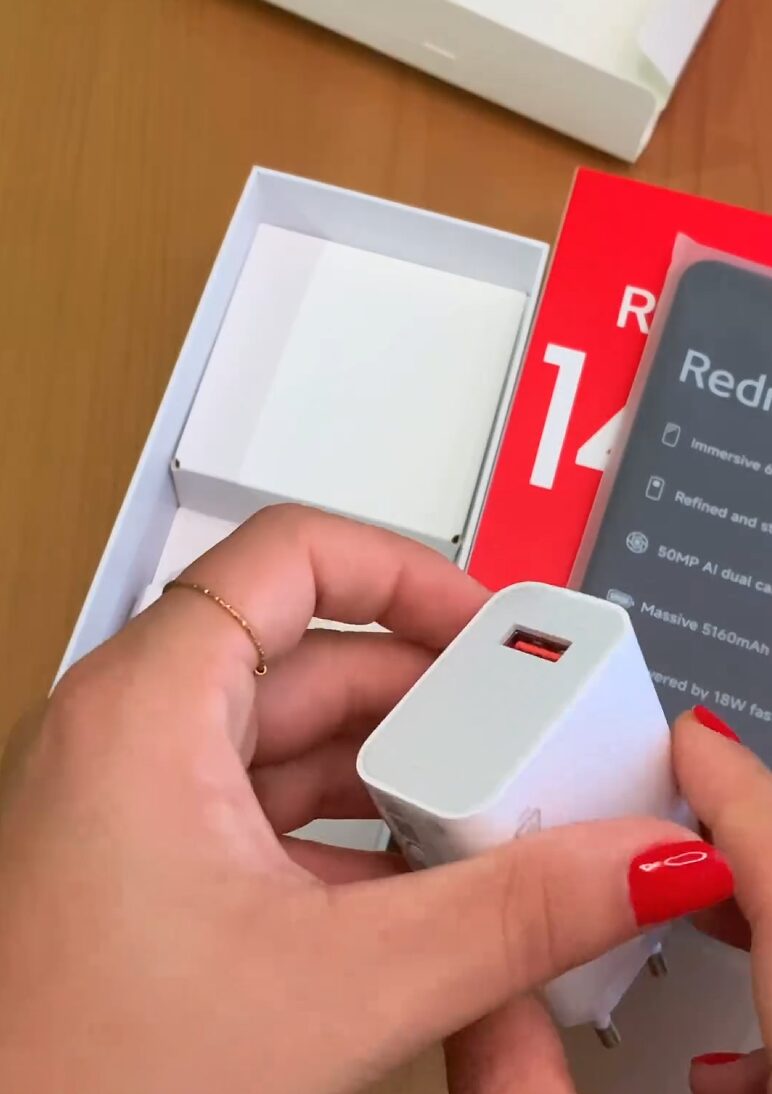
In high-growth areas like India, consumer sensitivity to value determines packaging expectations. Competitors such as Vivo, Oppo, and Realme keep chargers in their packages, especially for mid-range and higher-end devices. Xiaomi fits into this trend by including either 90W or 120W HyperCharge adapters across models such as the Xiaomi 14 and Redmi Note series. Full packaging retention props up device desirability and further entrenches Xiaomi’s platform in value-oriented segments.
Latin America: Consumer Protection Regulations
Because countries like Brazil have strict consumer rights that bring unbundled essential accessories under tied selling, Xiaomi includes chargers with officially distributed models. This prevents possible regulatory penalties and provides consumer satisfaction, although this may be different in the case of gray-imported devices.
Technology Perspective: HyperCharge and Compatibility
Chargers for Xiaomi are not just accessories but an integral part of the high-performance charging ecosystem. The HyperCharge technologies operate at either 67W, 90W, or 120W through proprietary power protocols that require certified Xiaomi adapters and high-current cables.
For instance, a user who purchases a Xiaomi flagship without an included charger may see much-reduced charging speeds when using standard USB-PD adapters. This compatibility gap increases the strategic importance of official HyperCharge accessories and informs Xiaomi’s regional decisions about what to include in the box.
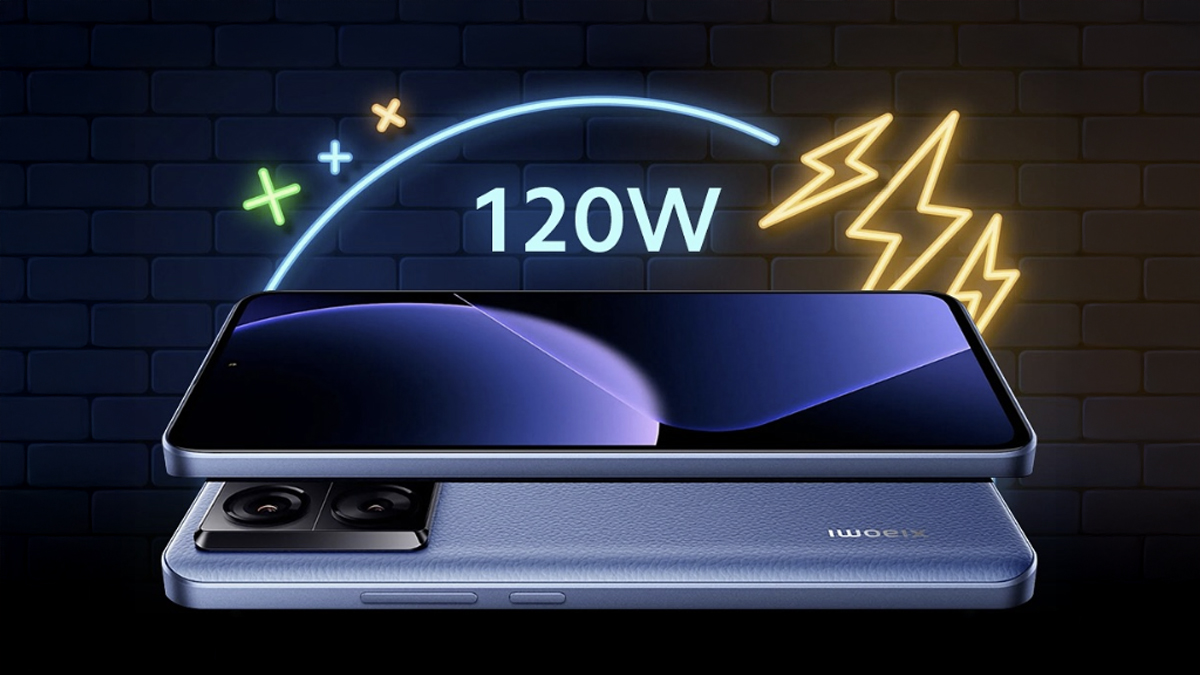
Xiaomi’s diversified charger policy is less about uniform global withdrawal and more about a sophisticated market-specific strategy shaped by regulation, consumer behavior, and technological need. The company itself demonstrates the larger industry transformation in which packaging, sustainability, and fast-charging standards meet regional market realities. As HyperCharge becomes a defining component of the Xiaomi ecosystem, future packaging decisions will continue to reflect this delicate balancing act of innovation, compliance, and user expectations.




Radme9ro max level