
 Emir Bardakçı
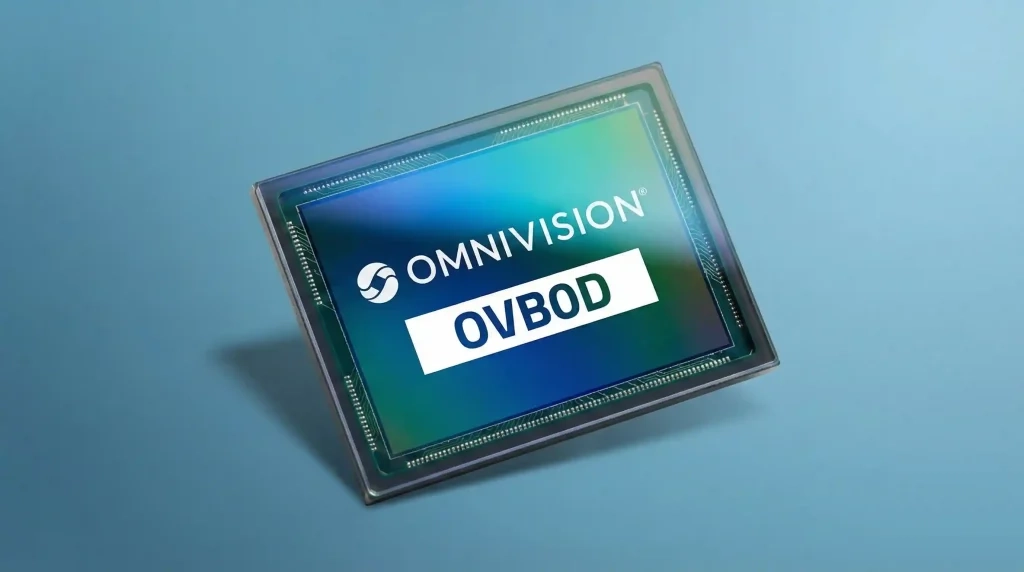
OmniVision has officially announced the OVB0D mobile phone CMOS sensor, a game-changing component that’s positioned to go toe-to-toe with Sony’s latest and greatest in high-end smartphones. Measuring 1/1.11 inches in size, this new sensor boasts a staggering 200MP resolution, making it the key headlining feature of Xiaomi’s flagship devices next year.
Technical Specifications and Sony Rivalry
The newly released OVB0D sensor is engineered to compete directly with the recently announced Sony LYTIA 901. Physically, the OmniVision sensor measures 1/1.11 inches, making it marginally larger than the 1/1.12-inch Sony alternative. That size advantage theoretically affords it better light intake, which is important for low-light photography.
While the LYTIA series uses a complex Quad-Quad Bayer Coding structure, OmniVision is using standard Bayer filters. This architectural difference suggests that with Sony perhaps keeping a slight edge in pure detail rendering, OmniVision is taking a more balanced approach to image reconstruction and color accuracy.
Advanced HDR and LOFIC Technology
To set itself apart in the premium segment, OmniVision has loaded the OVB0D with advanced technologies. The sensor incorporates a high full-well capacity of 400,000 electrons and offers a dynamic range of 108dB. It also embeds second-generation Dual Conversion Gain (DCG) and Lateral Overflow Integration Capacitor (LOFIC) technology to enable superior High Dynamic Range (HDR) capture.
These technologies make the sensor capable of capturing high-contrast scenes effectively and offer highly detailed shadows and highlights with no ghosting artifacts associated with traditional HDR capture methods.
Future Availability in Xiaomi Devices
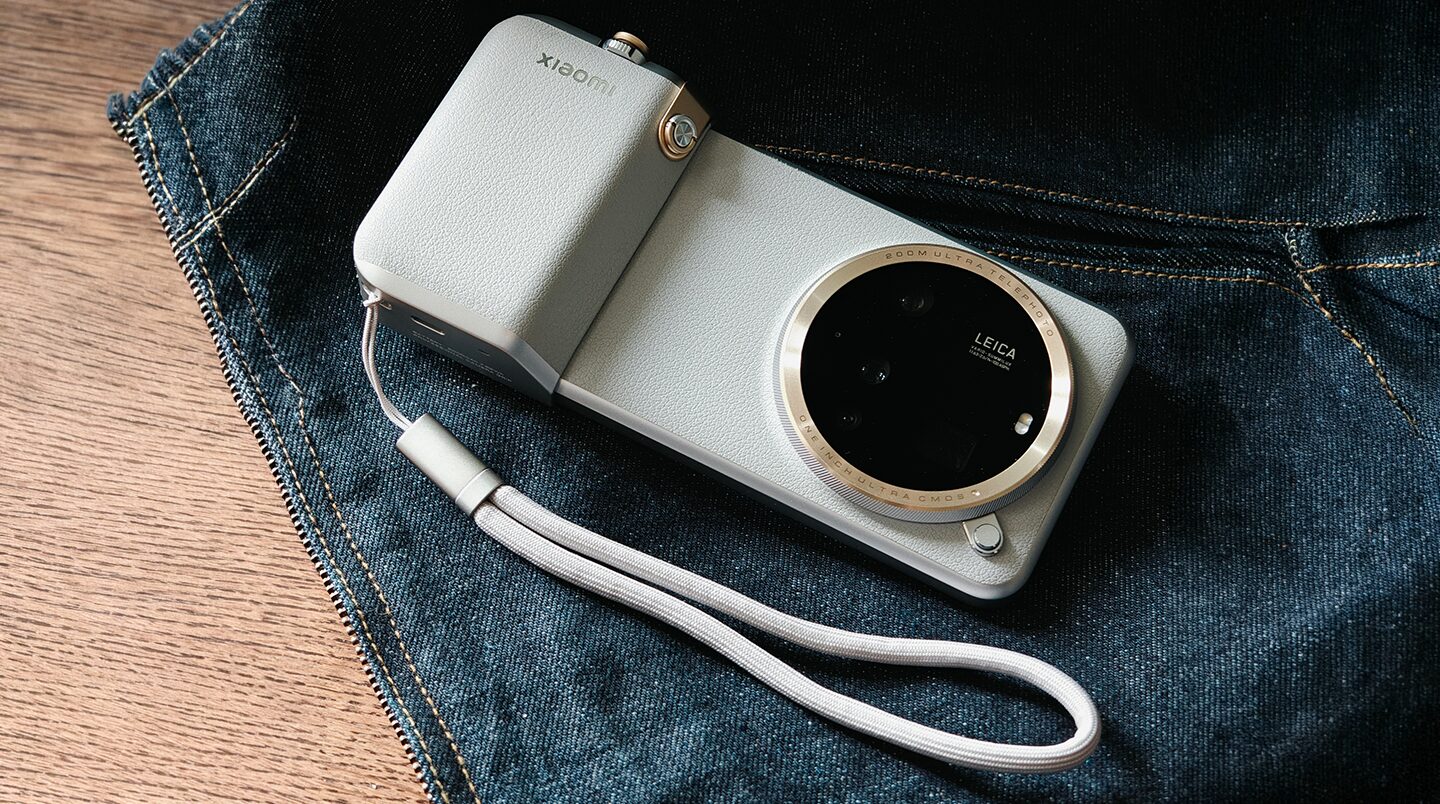
Industry reports and tips from renowned technology analyst Ice Universe suggest the OVB0D sensor will be adopted by several major manufacturers. It’s said to feature in the primary camera systems of various flagships from Xiaomi, Vivo, OPPO, and Honor in the coming year.
On the other hand, Samsung is reportedly going to skip this generation of large sensors altogether, owing to increasing production costs and decreasing profit margins, continuing with the smaller 1/1.3-inch HP2 sensor. This strategically puts Xiaomi ahead in a key hardware aspect, allowing the company’s next premium devices to boast better sensor physics than that of some rivals.

very good 😊💯♥️