 Emir Bardakçı
In the span of time between 2024 and 2025, Xiaomi had transitioned from a smartphone and IoT manufacturer to a full “Human x Car x Home” ecosystem company. Certain important features of that changeover include Xiaomi’s ambitious EV investment, the Xiaomi 15S Pro, and the company’s first 3nm chip, XRING O1. The article looks at Xiaomi’s automotive profitability, semiconductor independence strategy, and flagship roadmap.
EV Investment: Profitable Faster Than Expected
Xiaomi’s electric vehicle division reached an operational profit of 700 million RMB (~97 million USD) by Q3 2025, overturning early concerns about the venture. Though the EV industry is capital-intensive and traditionally slow to profitability, Xiaomi was able to achieve operational success just 18 months from the sales launch of its first vehicle, the SU7.
This rapid achievement taps into Xiaomi’s experience with supply chain management in smartphones, which helps bring down per-unit costs and raise margins. Tesla, for example, took 10 years to report its maiden quarterly profit, while fellow Chinese EV startups Xpeng and Nio each took about eight years to reach break-even. Xiaomi’s focused approach-investing resources in the SU7 instead of creating multiple models-helped the company achieve such early success.
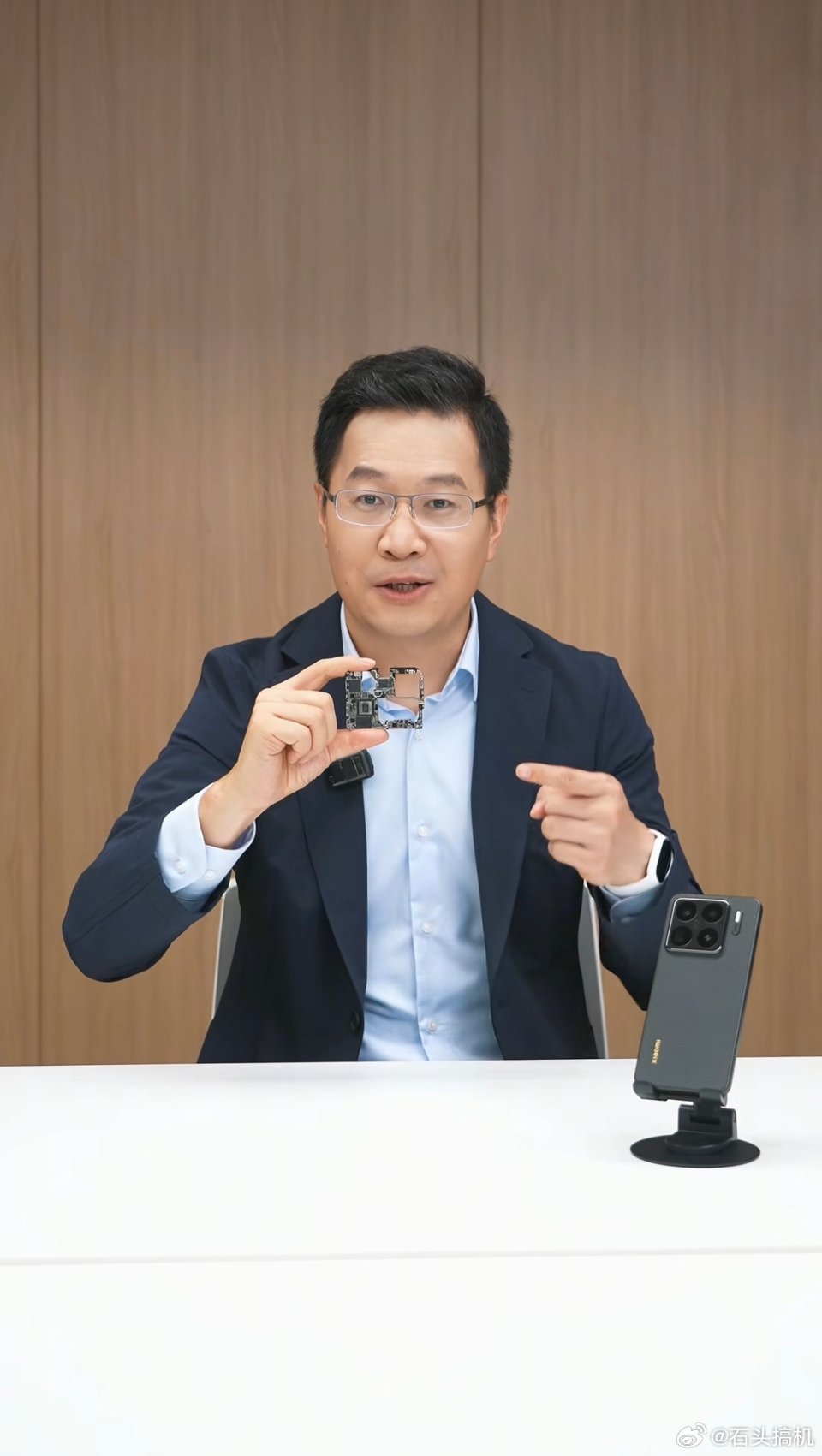
XRING O1 and Xiaomi 15S Pro: Strategic Semiconductor Independence
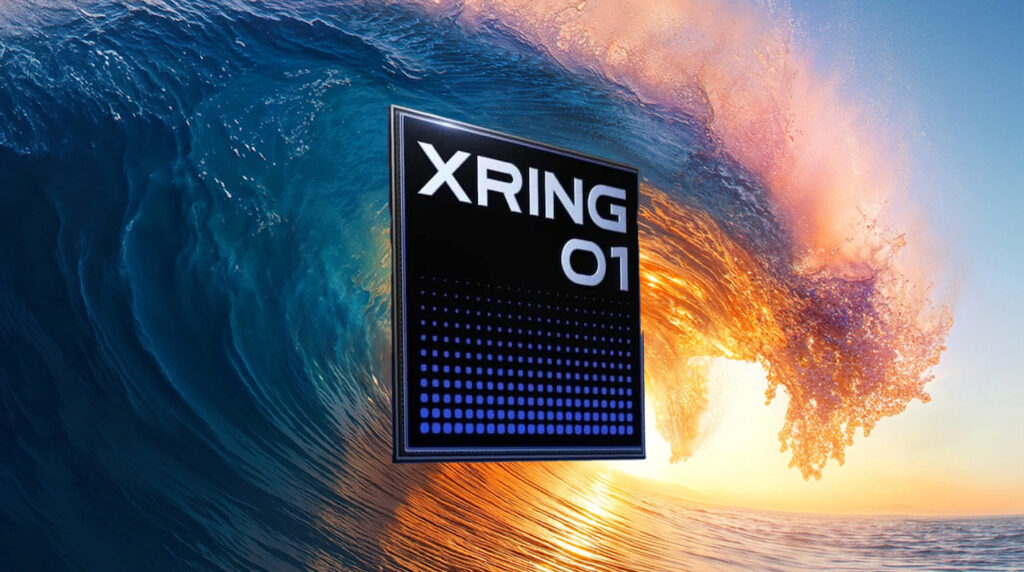
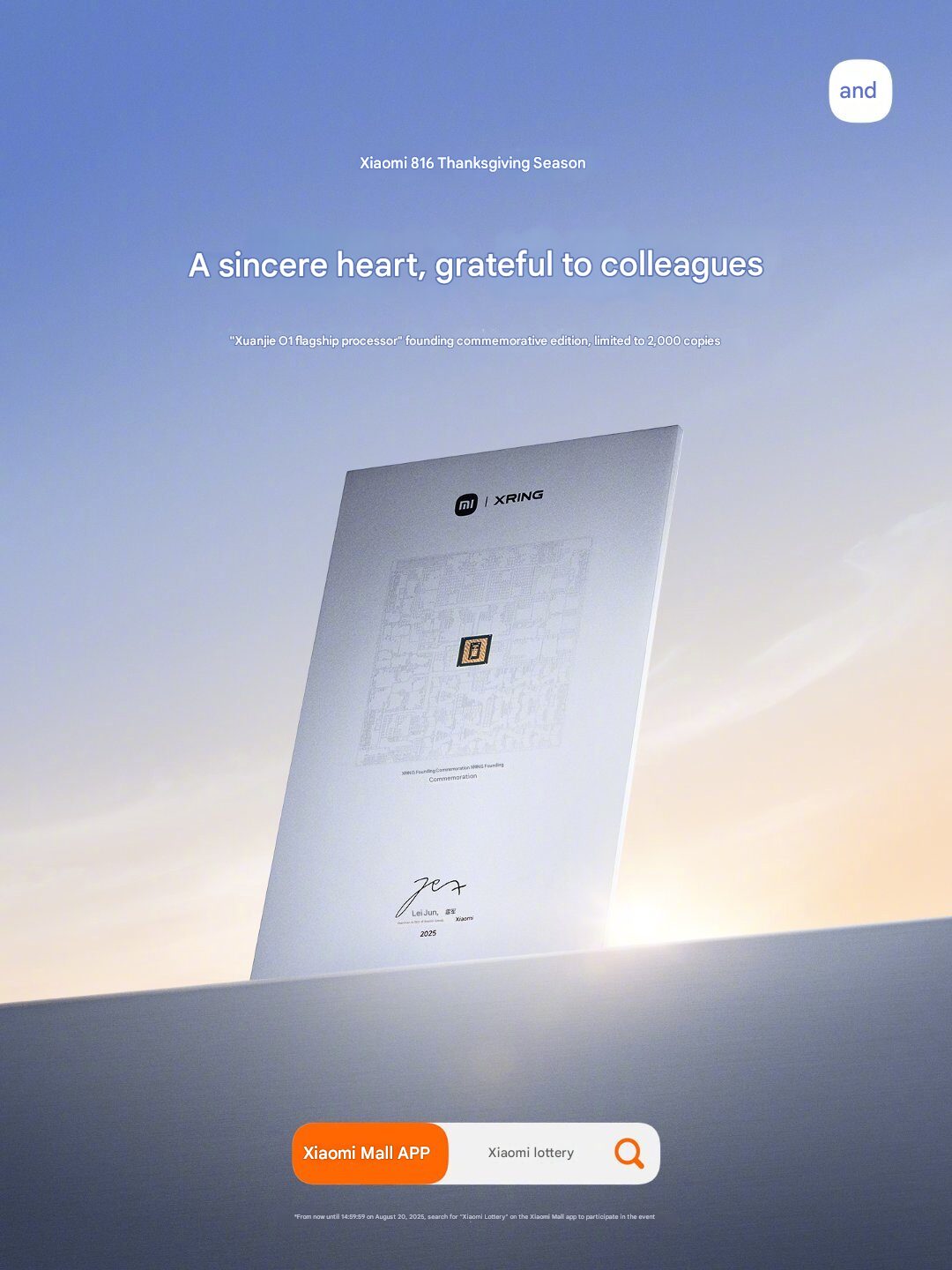
The Xiaomi 15S Pro was launched in May 2025, followed by the XRING O1-Xiaomi’s first 3nm chip. This forms one more step toward independence from Qualcomm and MediaTek while allowing the same kind of vertical integration as Apple.
Technical Highlights of XRING O1:
- CPU: 2x Cortex-X925 Prime cores (3.9 GHz), 1x Cortex-A725 Performance cores (3.4 GHz), 2x Cortex-A520 Efficiency cores (1.8 GHz)
- GPU: ARM Immortalis-G925 MC16
- TSMC 3 nm process: N3E
Performance benchmarks show that XRING O1 is capable but slightly behind Snapdragon 8 Elite in synthetic scores. For example, AnTuTu reports ~2,535,000 versus 2,750,000 for Snapdragon 8 Elite, while even Geekbench single-core/multi-core scores also show a small gap.
The main drawback is the external 5G modem (MediaTek T800), reducing battery efficiency and causing thermal problems while using 5G. Xiaomi offsets this with a 6100 mAh battery, but energy efficiency is worse compared to Snapdragon-based rivals.
Why XRING O1 Matters Strategically
In spite of performance gaps, XRING O1 secures technological independence in a world marred by semiconductor supply uncertainties. Owning a functional homegrown chip gives Xiaomi leverage in negotiations with Qualcomm, assuring continuity in case of supply chain disruptions.
The next XRING O2, which is expected in Q2 2026, targets better performance and integration, which should reduce the gap to the competitors, supporting future Xiaomi devices such as the 17S Pro.
Xiaomi Flagship Roadmap: 17 Series and Beyond
Xiaomi skipped the “16” series entirely, going straight to the 17 series, which was launched in China on September 25, 2025. Key highlights:
- Xiaomi 17/17 Pro/17 Pro Max: Snapdragon 8 Elite Gen 5, battery 6300–7500 mAh
- Magic Back Screen on Pro models for notifications, AI assistant interactions, and selfies
- 17 Ultra (photo-centric) set for late December 2025 in China, global launch expected February 2026
The 17S Pro, using XRING O2, should be coming out in mid-2026. This will put Xiaomi’s capability to match or outperform competitors in chip performance while sustaining independence to a test.
Xiaomi’s investment in EVs paid off by reaching profitability in just 18 months, while the project of the XRING O1 became a strategic bet: less powerful compared to Snapdragon but vital for long-term semiconductor independence. Further, Xiaomi is supposed to firm up its position in both smartphones and chips with the future XRING O2 and 17S Pro. Besides this, it will continue providing ecosystem synergy across EVs, smartphones, and smart devices.