
 Emir Bardakçı
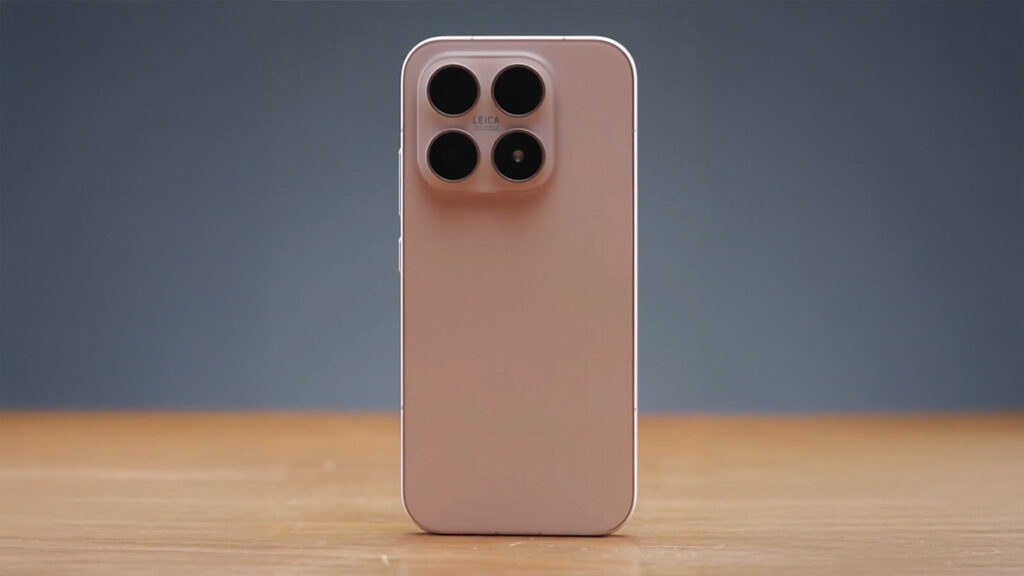
The technical decision behind Xiaomi’s “China-exclusive” models, such as the REDMI K90 Pro or Xiaomi 17 Pro, is driven by a complex balance of RF band optimization, GMS integration costs, and AER (Android Enterprise Recommended) certification timelines. While enthusiasts often see this as a marketing choice, our firmware analysis reveals that the hardware-level differences—specifically in 4G/5G frequency modems and regional HyperOS kernel tuning—make a direct global launch technically and financially prohibitive during the initial release phase.
Firmware and Regulatory Barriers
As the developer of MemeOS Enhancer, I have spent years analyzing how Xiaomi bifurcates its software ecosystem. The gap between HyperOS China Edition and the Global version is not just about language; it involves deep system-level integrations.
-
Certification Hurdles: For a device to launch globally, it must pass CE (Europe), FCC (USA), and BIS (India) certifications. Each requires specific SAR testing and frequency locking.
-
Network Hardware: China-exclusive models often lack LTE Band 20 or specific Sub-6GHz 5G bands required in Europe and North America. Adding these requires different antenna layouts and RF front-end modules.
-
Software Lifecycle: The China ROM serves as a “Live Beta” environment. By the time a device reaches the global market as a POCO F8 Ultra or Xiaomi T-series, the firmware has undergone at least 4-6 major stability patches based on telemetry from millions of Chinese users.
Market Positioning and Rebranding Logic
Xiaomi uses a strategic SKU (Stock Keeping Unit) differentiation to manage costs. In China, the high-performance REDMI K-series targets power users with aggressive pricing enabled by the absence of Google licensing fees.
Internally, we categorize this as Regional Payload Optimization. The Global HyperOS builds must include the full Google Mobile Services (GMS) stack, which changes the system partition layout and memory management priorities. By keeping certain models local, Xiaomi avoids the high per-unit licensing and localization costs for niche experimental hardware, ensuring that only the most “stable” and “compliant” configurations reach the international stage.


Funny. And here I was , thinking it had to do with a nepotism, divisional- new world order. Divide and conquer. Damn, wrong again.
imagine how many more products Xiaomi would sell if they had stores in Australia..
i think you are wrong
specifically when i see all innovations in Chinese hyper os rom and not available for worldwide like home icon resize and changeable icon
you forgot about Xiaomi 15S Pro with their first CPU (Xring 01)
you are meaning that all Xiaomi devices like: mi 15s pro, mi 15 pro and mi 17 series will receive global and other updates, but later?
I want to buy mi 15s pro, and if I wait the global version of that device, it will be true?
As a developer of MemeOS Enhancer, come up with a way for residents of Russia to use all the features of this program. Phones are sold in the country, but the app is limited. That’s not right!
The AER seal is not mandatory, manufacturers are free to submit their devices for validation (that they meet some enterprise requirements). RF band optimization is another thing that’s not relevant to the matter, it’s not like every device they produce is made for their native market and suddenly they want to release a model abroad, needing to rework their hardware to support X or Y bands. And what even is “regional HyperOS kernel tuning” ???
They have plenty of international models; if they choose not to release a specific one in the global market, the reason isn’t technical at all.