


I’ve been testing a flagship device running Xiaomi HyperOS (the Chinese variant) for two weeks to find out whether the “early access” to the new features is really worth the trouble. Although the animations are smooth and the optimization for the Snapdragon 8 Elite is impressive, the reality for an ordinary global user is full of unexpected obstacles.
We often see fans importing models like the Xiaomi 17 Pro Max solely for the purpose of experiencing it before others. And after 15 days of using it, I can safely say that what works in Beijing doesn’t necessarily work in other parts of the globe.
TL;DR
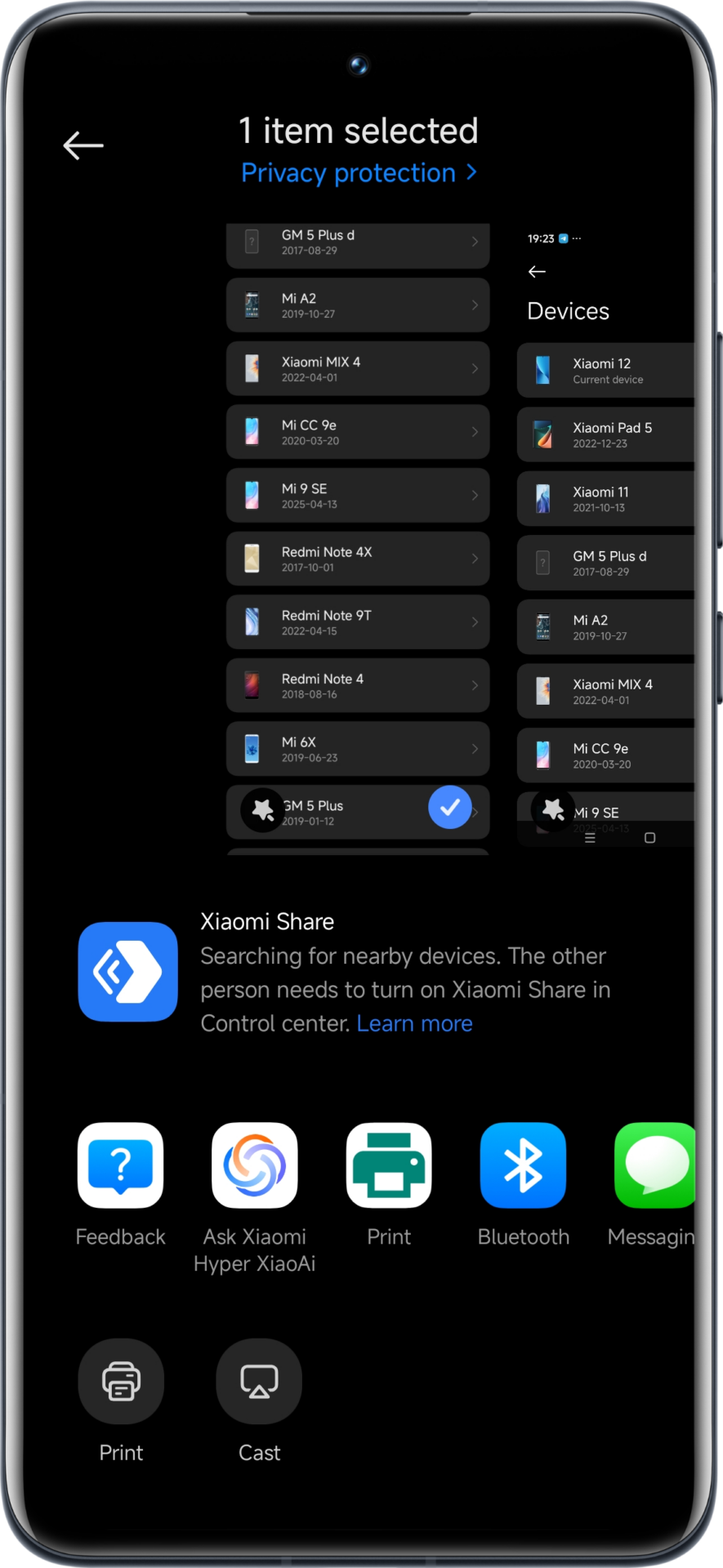
- No Quick Share: You will no longer be able to share files to other Android smartphones that are not from Xiaomi, as the function supports Xiaomi Share only.
- Connectivity Gaps: Android Auto is completely missing, rendering your car’s infotainment screen useless.
- Notification Lag: Aggressive power saving features result in background applications being killed, so real-time notifications often depend entirely upon
- AI & Search: Interacting with Gemini or Circle to Search is a tedious process compared with XiaoAI.
Where is Quick Share?
One of the most disappointing aspects that I found in the new Xiaomi HyperOS China version was the lack of the Quick Share service. Indeed, in the Global version of the Xiaomi HyperOS, we simply assume that there is no problem in sharing files with any modern Android phone or Windows computer.
On the China ROM, you’re limited to Xiaomi Share. This is fantastic in the Xiaomi HyperConnect ecosystem, such as when sharing a photo to a Xiaomi Pad 8, but if your friend is using a Pixel or Samsung device, it’s back to using messaging apps where your high-quality photos get compressed.
Why Does My Car Not Recognize My Phone?
If you’re depending on the intelligence of your car, do not trust Chinese software. Android Auto is not included on the China ROM, which means I spent the whole week squinting at a phone holder rather than the 10-inch screen on the dashboard of my car.
Even if you do go the sideloaded Google service route, the level of integration needed for car connectivity just isn’t present. For a master of the road such as myself, this is more than an inconvenience; it’s a degradation of functionality that makes a $1,000 flagship handset feel like something from the budget range.
Can You Fix the Notification Delights?
The notification issue represents a classic problem with Chinese firmware. To preserve battery life, Xiaomi HyperOS freezes applications the moment you stop using them.
I had to go into the settings for each and every app to turn off the “Battery Saver” modes. Although this is a good thing, it also drains the battery quicker, and I noticed that it would cause messages on apps such as WhatsApp to “sleep” through until the app is opened manually.
The Language Barrier and AI
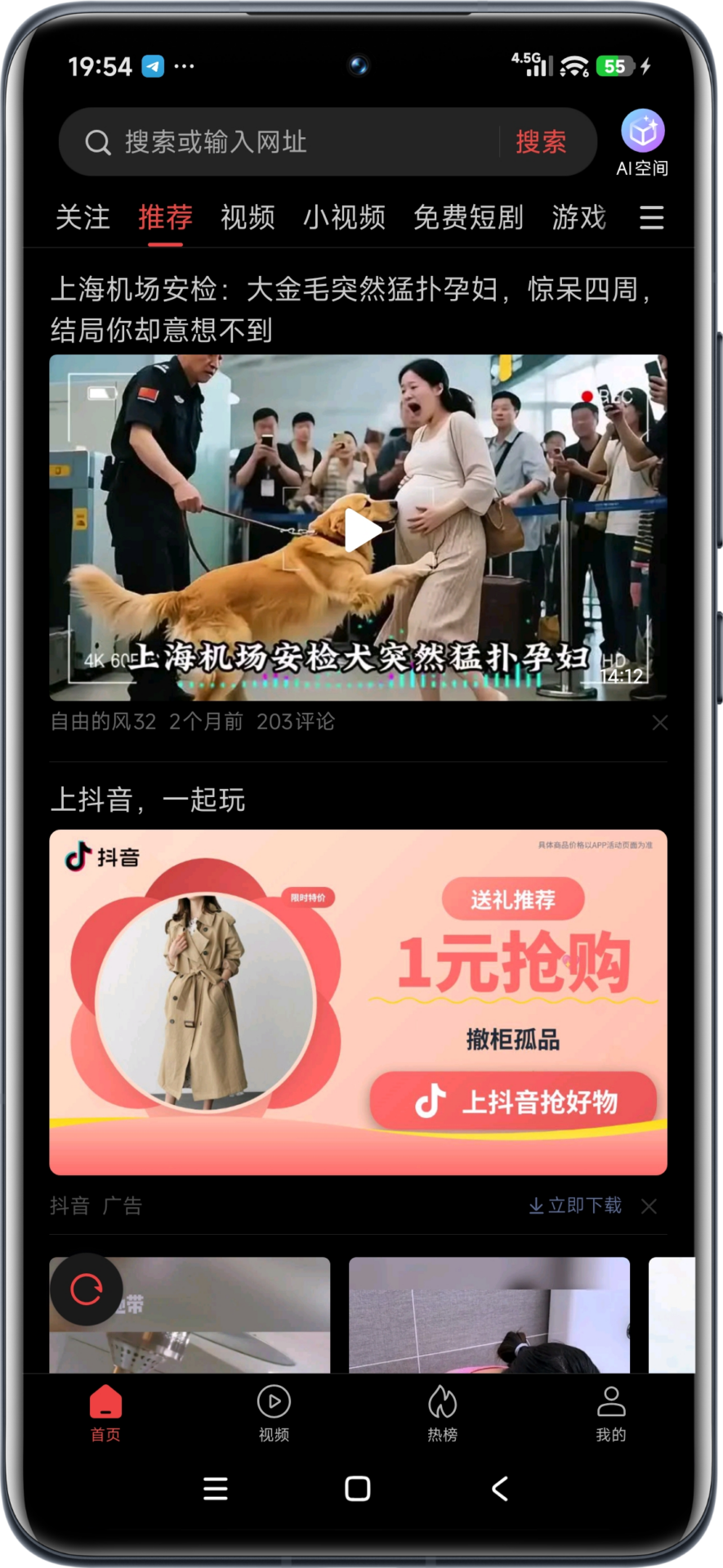
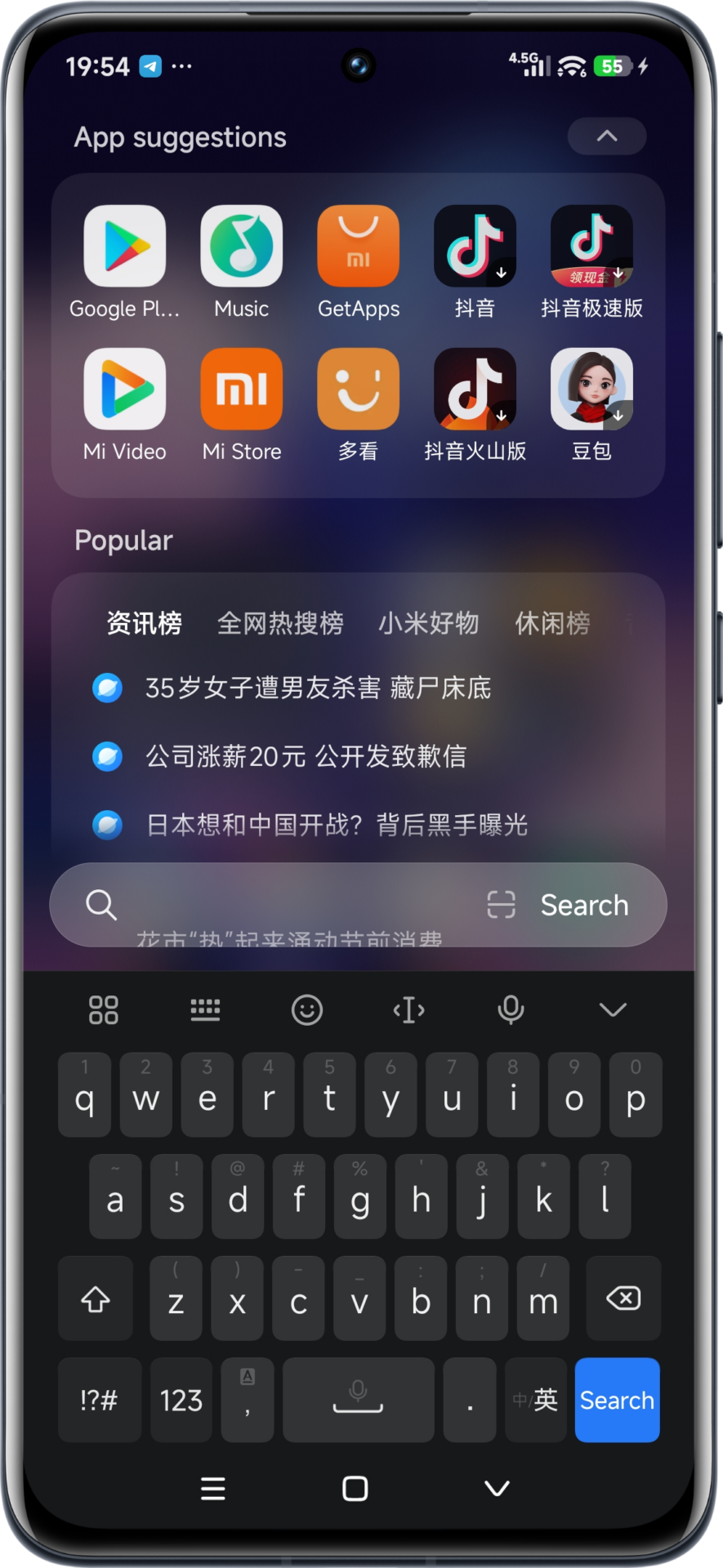
The languages supported by the system are only English and Chinese. This is not a problem, but when you consider the fact that some local apps depend on your system language to be in line with your location, you might end up not using some local service apps because they are not able to identify your local language.
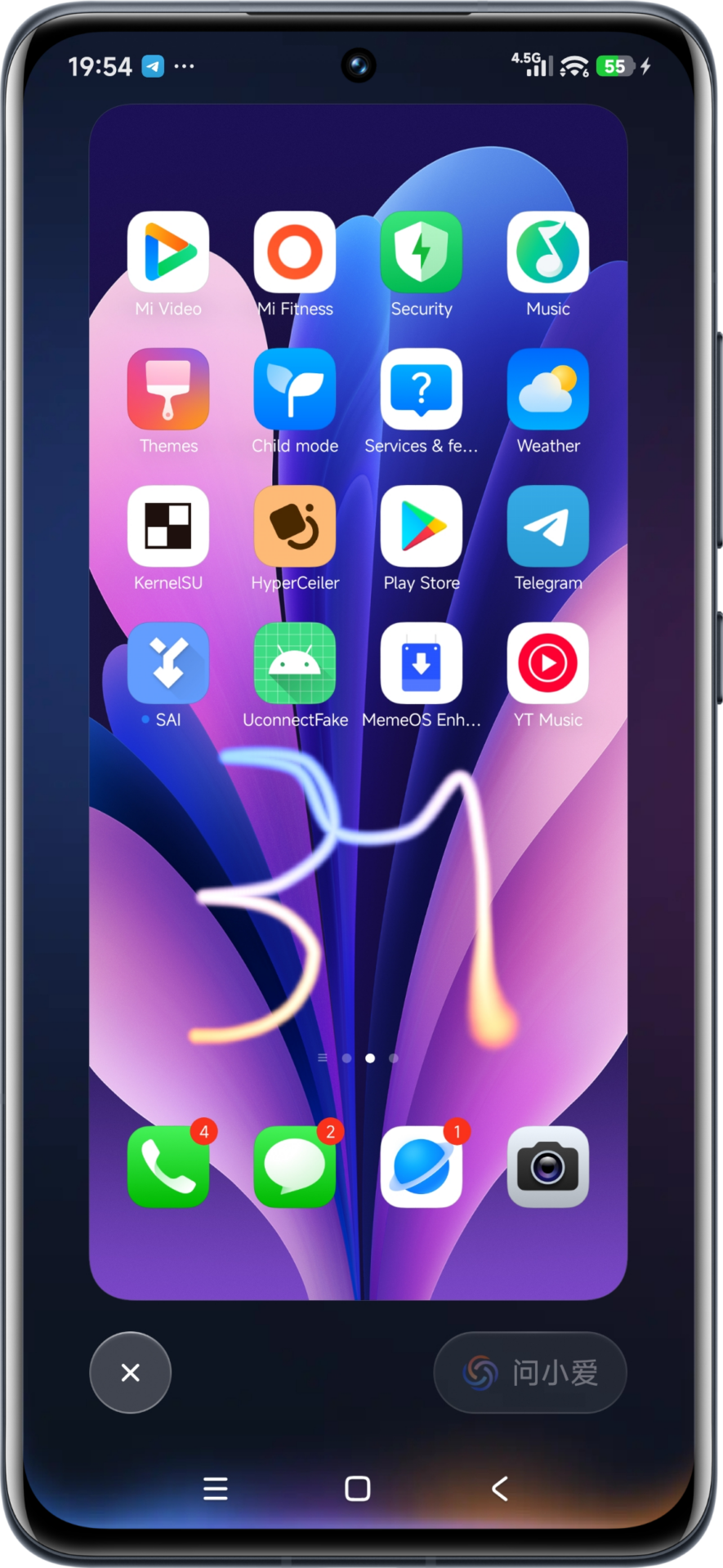
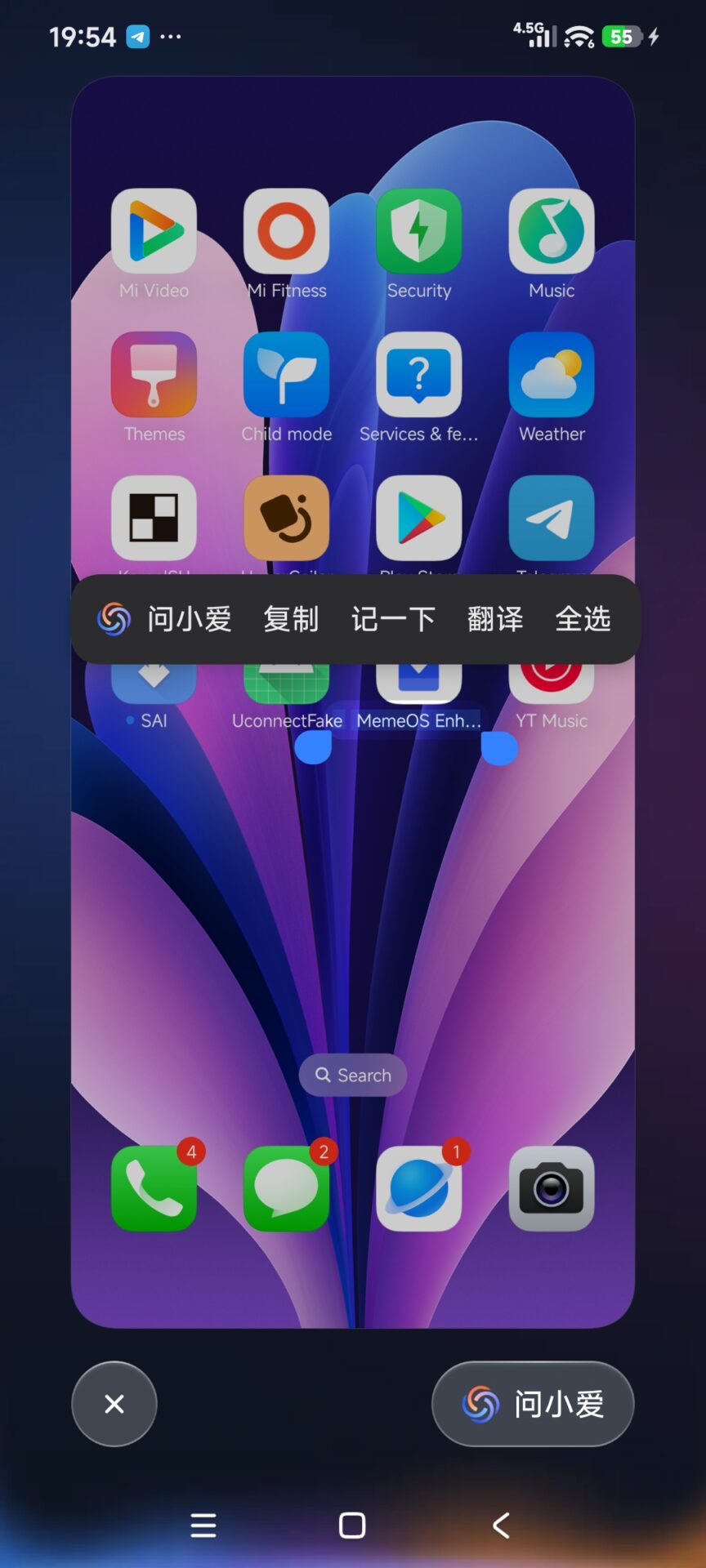
In addition, the “AI Revolution” is a very different experience in China. Rather than having the Gemini assistant, the home button activates the XiaoAI assistant, which is of no use if you don’t understand Chinese. To get the Circle to Search function, it was necessary to install a third party app that allowed a custom toggle to be set up within the Control Center, which is anything but the “it just works” experience of the Global variant.
Is it Worthwhile to Import China-Only Devices?
If you are considering a device such as the REDMI K80 Ultra, it should be remembered that these devices are normally rebadged Xiaomi T Series devices intended for the Global market. Although it may be true that Chinese devices are more affordable, with prices beginning at around 400-500 dollars, it’s hard to put a price on the costs of using their software. Unless you’re a developer or an enthusiast who never uses Android Auto or Quick Share, we’d recommend holding out for the global rollout. The ease of having a locked-down and stable experience is worth sacrificing the opportunity to see new icons two months earlier, and the fact that unlocking the bootloader is essentially impossible on the China ROM anyway.



