


We have all been there, scrolling through import sites and coming across a REDMI K80 Ultra or a Xiaomi 17 Pro Max that costs an amount that seems almost too good to be true. The hardware specs are top-notch, with the latest Snapdragon 8 Elite processor and cameras that are only eclipsed by no one. Nevertheless, never in the history of the Chinese and Global variants of Xiaomi HyperOS have differences been so vast as they are in 2026. Although it is quite affordable, there are many “technical traps” that may turn your dream phone into a useless paperweight.
The Import Risks – Summary
- Network Gaps: The lack of support for Band 20 results in a weak 4G or 5G signal in rural networks.
- Software Lock: The Bootloader is highly locked, meaning that the Global/Customer ROMs cannot be installed.
- Google Issues: Lack of support and integration with Google services and Android Auto.
- Launcher Restrictions: There is no choice but to use the default launcher of the operating system without the use of third-party launchers.
What Makes Chinese Xiaomi Phones so Attractive?
It always boils down to two things: Price and Early Access. For the Chinese market, the likes of the REDMI K series Ultra arrive before the international POCO and Xiaomi T Series variants. In fact, I have observed that these models available only in China have specs that are marginally better, with faster charging, different colors, and so forth. When you translate the price in CNY to USD, it appears to be a 30-40% discount.
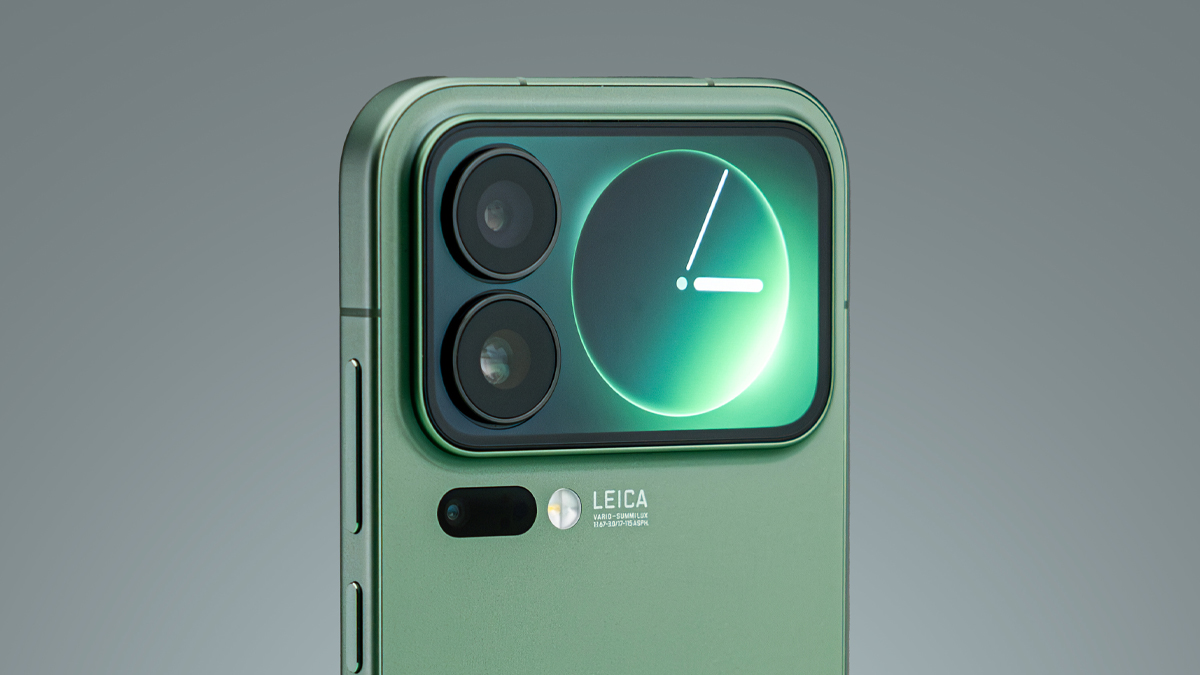
Is the Hardware the Same?
Although the basic specifications, including the Snapdragon 8 Elite Gen 5 processor, stay the same, the “hidden” hardware is a different story. The first, and in many ways the most significant, hardware that is missing from the list is Band 20 (800MHz). This frequency is commonly employed by carriers in the European region. Without this band, you can end up with your phone constantly dropping down to 3G or even losing the signal altogether once you move inside the building. In addition, wearables such as the Xiaomi Band 10 or the XRING O1 can have problems with region locking once connected to the China-region device.
Can You Fix the Software Problems?
In previous years, we used to advise flashing a Global ROM as a fix to these problems. However, as of 2026, it is not a feasible method.
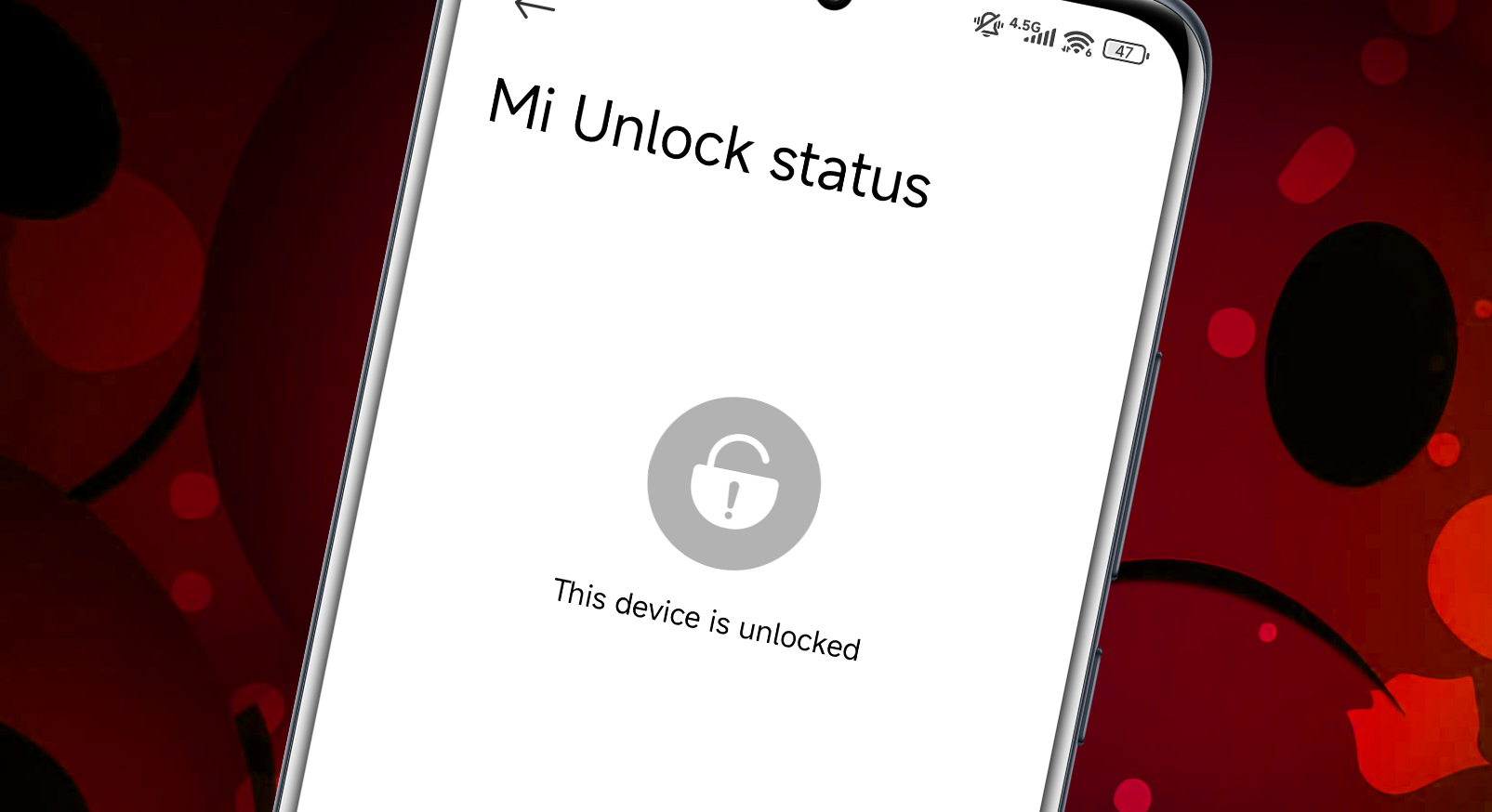
The Death of Bootloader Unlocking?
Bootloader unlocking rules have been completely removed as of January 2026. Previously, the probability of unlocking the bootloader was 0.0001%, but it is now 0%.
No More Custom Launchers
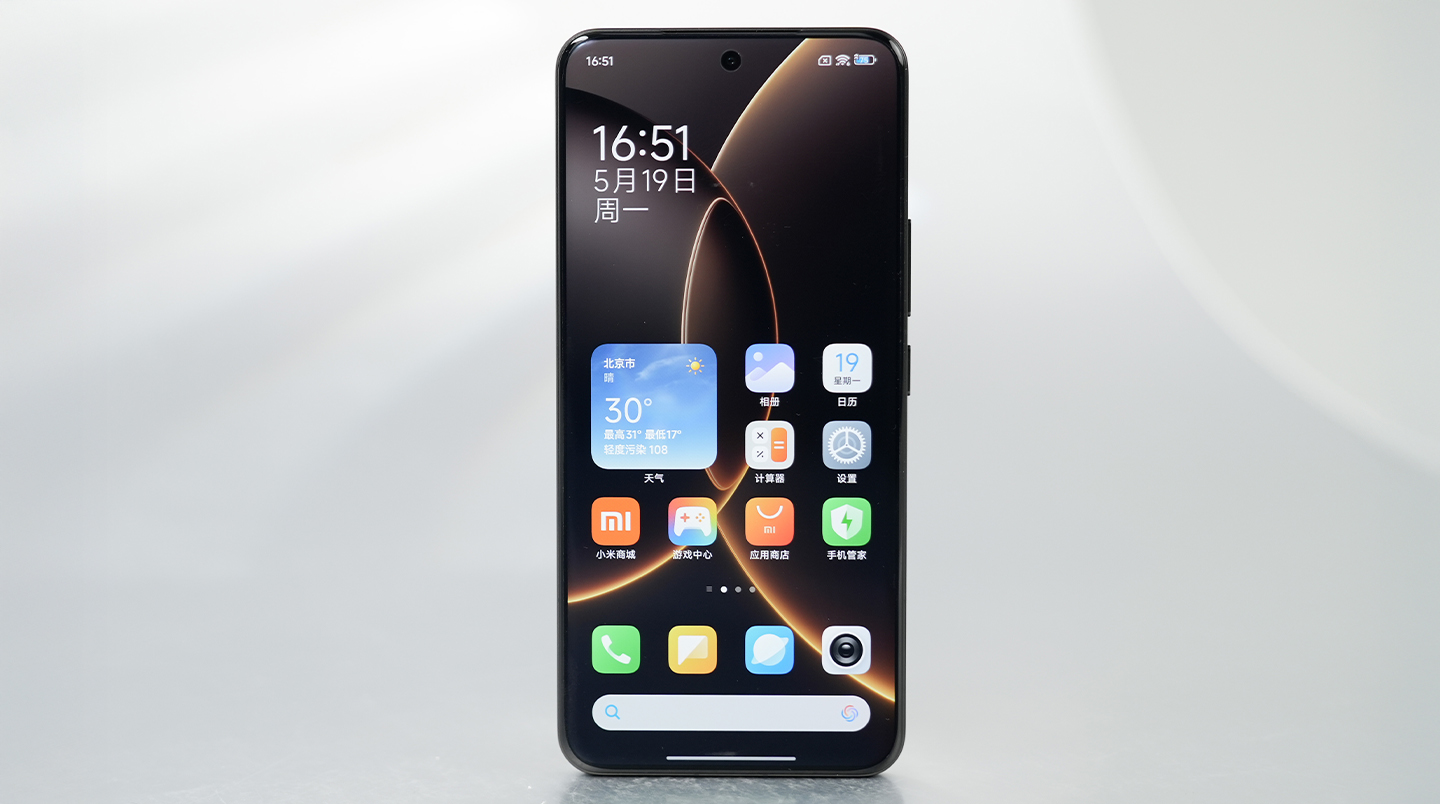
One of the most annoying things I’ve found about this phone has been the prohibition on third-party launchers. If you are a fan of Nova Launcher or Microsoft Launcher, well, you’re out of luck, since the China ROM insists that you remain on the Xiaomi HyperOS home screen for the purpose of “system stability.”
The Google Services “Ghost”
Though you can install the Google Play Store on the device by side-loading, integration at a deeper level is lacking. You cannot use Android Auto, and you may experience problems with the use of Google Wallet as well as the function of “Circle to Search.”
The Best Way to Buyer
But if you want the premium experience of the Xiaomi Pad 8 or a flagship smartphone, we would definitely recommend waiting for the Global Launch of the device. Yes, you would be paying more, but you would be getting the full warranty, as well as all the features of Xiaomi HyperConnect, and software support.
However, should you do import this, you should be comfortable with the HyperOS only available in English and Chinese, and the notification system that is often delayed because of the Chinese battery management.



I’m a Pakistani student studying in China. For the past year, I’ve really liked Xiaomi phones and had been thinking about buying a Xiaomi flagship device for a long time. Finally, I bought the Xiaomi 14 for 2700 yuan, with the box and a one-year warranty. But after buying it, all my hopes were crushed because it’s a Chinese region phone. At first, I couldn’t install any apps. It had Google Play Store, but it wouldn’t work without a VPN, and installing a VPN itself became another problem. I couldn’t install apps from another Android device either—they just wouldn’t install. Anyway, I somehow got a paid VPN, and the Play Store started working. I’ve been using the phone for three months now, but it has notification problems, and the fonts aren’t right. My last hope was to unlock the bootloader and install a global ROM, but with 2026 starting, that hope is gone too. Now I thought I’d sell it and buy another phone, but the shopkeeper offered only 1250 yuan, which broke my heart even more.😭🥺💔
I’m a Pakistani student studying in China. For the past year, I’ve really liked Xiaomi phones and had been thinking about buying a Xiaomi flagship device for a long time. Finally, I bought the Xiaomi 14 for 2700 yuan, with the box and a one-year warranty. But after buying it, all my hopes were crushed because it’s a Chinese region phone. At first, I couldn’t install any apps. It had Google Play Store, but it wouldn’t work without a VPN, and installing a VPN itself became another problem. I couldn’t install apps from another Android device either—they just wouldn’t install. Anyway, I somehow got a paid VPN, and the Play Store started working. I’ve been using the phone for three months now, but it has notification problems, and the fonts aren’t right. My last hope was to unlock the bootloader and install a global ROM, but with 2026 starting, that hope is gone too. Now I thought I’d sell it and buy another phone, but the shopkeeper offered only 1250 yuan, which broke my heart even more.😭🥺💔
I beg to differ with this article. I’ve been successfully using a Xiaomi 14 Pro in the US on T-Mobile for over a year with no hiccups. Yes, I don’t have Android Auto but my Xiaomi connects to my radio via Bluetooth which is good enough for me. I’m not one to change my launcher frequently so getting “stuck” with the stock one is fine. All my apps, even banking and Google Wallet work perfectly fine. I get a strong signal virtually everywhere I go with the exception of buildings such as hospitals and deep inside of some schools, but guess what so does my work iPhone 17 Pro. I even get a signal when my or my wife’s iPhone doesn’t. When I travel to big cities, I even get 5G Advanced.